Wire report
Voyage to the end of the world: floating lab to explore life in Arctic adrift in ice
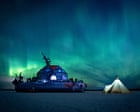
An eight-month expedition will set off soon from Norway on a mission to find new species before the climate crisis and pollution changes the northern ocean for ever Six scientists and six crew will travel next month to Kirkenes, a remote Arctic town in Norway near the Russian border, to begin an odyssey to one of the most inhospitable, inaccessible and least-studied regions on Earth. There, they will climb onboard a futuristic, floating laboratory – the French-built Tara polar station. They will enter a harsh and isolating environment: months of complete darkness and temperatures as low as -50C (-58F). Arriving in Norway on 14 August, they will await good conditions and an icebreaker to open a route for them before setting off on an eight-month voyage, overwintering through long, intense polar nights onboard a 26-metre-long, 16-metre-wide vessel built to be frozen into the pack ice, whic
coverage / Wire report
Get updates, read source context, send useful records, share the story, or support the reporting work from the reading page.
An eight-month expedition will set off soon from Norway on a mission to find new species before the climate crisis and pollution changes the northern ocean for ever Six scientists and six crew will travel next month to Kirkenes, a remote Arctic town in Norway near the Russian border, to begin an odyssey to one of the most inhospitable, inaccessible and least-studied regions on Earth. There, they will climb onboard a futuristic, floating laboratory – the French-built Tara polar station. They will enter a harsh and isolating environment: months of complete darkness and temperatures as low as -50C (-58F). Arriving in Norway on 14 August, they will await good conditions and an icebreaker to open a route for them before setting off on an eight-month voyage, overwintering through long, intense polar nights onboard a 26-metre-long, 16-metre-wide vessel built to be frozen into the pack ice, whic
Check the original link, updates, and responses when a detail is contested.
Open topic or search related wording such as records, sources, agencies, dates, and locations.
What happened
According to The Guardian’s linked source, Voyage to the end of the world: floating lab to explore life in Arctic adrift in ice, An eight-month expedition will set off soon from Norway on a mission to find new species before the climate crisis and pollution changes the northern ocean for ever Six scientists and six crew will travel next month to Kirkenes, a remote Arctic town in Norway near the Russian border, to begin an odyssey to one of the most inhospitable, inaccessible and least-studied regions on Earth. There, they will climb onboard a futuristic, floating laboratory – the French-built Tara polar station. They will enter a harsh and isolating environment: months of complete darkness and temperatures as low as -50C (-58F). Arriving in Norway on 14 August, they will await good conditions and an icebreaker to open a route for them before setting off on an eight-month voyage, overwintering through long, intense polar nights onboard a 26-metre-long, 16-metre-wide vessel built to be frozen into the pack ice, whic
Context
The development sits in VINI’s Global coverage for readers following international affairs, institutions, conflict, diplomacy, economics, and cross-border consequences. The original report is linked so readers can check the publisher account, follow later updates, and compare new coverage against the first published record. The original item is dated 2026-07-02T11:00:12+00:00.
What to watch
Open questions include whether primary sources issue follow-up statements, whether local or market impacts become clearer, and whether additional reporting changes the timeline or adds material context.
Source
Primary source: Voyage to the end of the world: floating lab to explore life in Arctic adrift in ice via The Guardian. VINI cites and links the source; it does not reproduce the publisher’s full article text without rights clearance.
Keep following
This file can keep developing
vininews.com uses reader tips, public records, right-of-reply requests, corrections, and follow-up reporting to keep important stories current.
Support and subscriptions never buy coverage, placement, suppression, or corrections.
This VINI report keeps the original publisher link available and does not republish third-party article bodies without rights clearance. 1 reference listed.
Source links
- Voyage to the end of the world: floating lab to explore life in Arctic adrift in iceThe Guardian - 2026-07-02T11:00:12+00:00
Reader comments
Moderated discussion
Comments are open to authenticated approved accounts, screened for spam and abuse, and published only after newsroom moderation unless editors change the story control.
No approved comments yet.
Substantive, civil comments can be submitted by approved account holders.