Wire report
The System That Turned Paper Charts Into Digital Medical Records
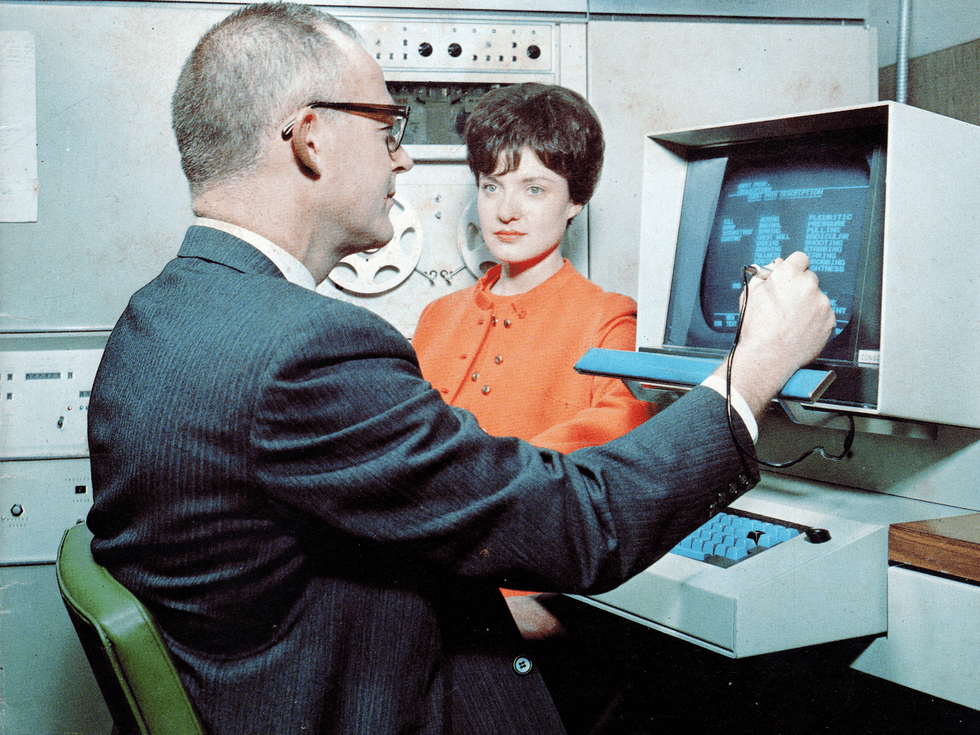
Most hospitals and health care providers use electronic health records instead of paper charts to note patient vaccinations, diagnoses, and procedures. AthenaOne , Epic , and Oracle Health are some of the systems employed around the world. Many patients can access their electronic medical records from home. The platforms exist thanks to pioneering efforts such as the Medical Information System (MIS-I). The first hospital-wide computer system, it was developed in the 1960s by Lockheed Martin (then known as Lockheed Missiles and Space Co.) in partnership with El Camino Hospital , in Mountain View, Calif. Doctors and nurses used MIS-I (pronounced miss-ONE ) to admit patients, order lab work and imaging, schedule follow-up appointments, and issue hospital bills, according to a 1973 article published by Datamation . Although many people now know how to type on a keyboard, in the 1960s, most d
coverage / Wire report
Get updates, read source context, send useful records, share the story, or support the reporting work from the reading page.
Most hospitals and health care providers use electronic health records instead of paper charts to note patient vaccinations, diagnoses, and procedures. AthenaOne , Epic , and Oracle Health are some of the systems employed around the world. Many patients can access their electronic medical records from home. The platforms exist thanks to pioneering efforts such as the Medical Information System (MIS-I). The first hospital-wide computer system, it was developed in the 1960s by Lockheed Martin (then known as Lockheed Missiles and Space Co.) in partnership with El Camino Hospital , in Mountain View, Calif. Doctors and nurses used MIS-I (pronounced miss-ONE ) to admit patients, order lab work and imaging, schedule follow-up appointments, and issue hospital bills, according to a 1973 article published by Datamation . Although many people now know how to type on a keyboard, in the 1960s, most d
Check the original link, updates, and responses when a detail is contested.
Open topic or search related wording such as records, sources, agencies, dates, and locations.
What happened
According to IEEE Spectrum’s linked report, The System That Turned Paper Charts Into Digital Medical Records, Most hospitals and health care providers use electronic health records instead of paper charts to note patient vaccinations, diagnoses, and procedures. AthenaOne , Epic , and Oracle Health are some of the systems employed around the world. Many patients can access their electronic medical records from home. The platforms exist thanks to pioneering efforts such as the Medical Information System (MIS-I). The first hospital-wide computer system, it was developed in the 1960s by Lockheed Martin (then known as Lockheed Missiles and Space Co.) in partnership with El Camino Hospital , in Mountain View, Calif. Doctors and nurses used MIS-I (pronounced miss-ONE ) to admit patients, order lab work and imaging, schedule follow-up appointments, and issue hospital bills, according to a 1973 article published by Datamation . Although many people now know how to type on a keyboard, in the 1960s, most d
Context
The development sits in VINI’s Technology coverage for readers following technology, science, product policy, markets, infrastructure, and the public consequences of innovation. The original report is linked so readers can check the source account, follow later updates, and compare new coverage against the first published record. The linked report is dated 2026-08-03T18:00:02+00:00.
What to watch
Open questions include whether primary sources issue follow-up statements, whether local or market impacts become clearer, and whether additional reporting changes the timeline or adds material context.
Source
Primary source: The System That Turned Paper Charts Into Digital Medical Records via IEEE Spectrum. VINI cites and links the source; it does not reproduce the publisher’s full article text without rights clearance.
Keep following
This file can keep developing
vininews.com uses reader tips, public records, right-of-reply requests, corrections, and follow-up reporting to keep important stories current.
Support and subscriptions never buy coverage, placement, suppression, or corrections.
This VINI report keeps the original publisher link available and does not republish third-party article bodies without rights clearance. 1 reference listed.
Source links
- The System That Turned Paper Charts Into Digital Medical RecordsIEEE Spectrum - 2026-08-03T18:00:02+00:00
Reader comments
Moderated discussion
Comments are open to authenticated approved accounts, screened for spam and abuse, and published only after newsroom moderation unless editors change the story control.
No approved comments yet.
Substantive, civil comments can be submitted by approved account holders.