Wire report
‘The odds are not in our favour’: who sets the Doomsday Clock – and what can they tell us about the future of humanity?
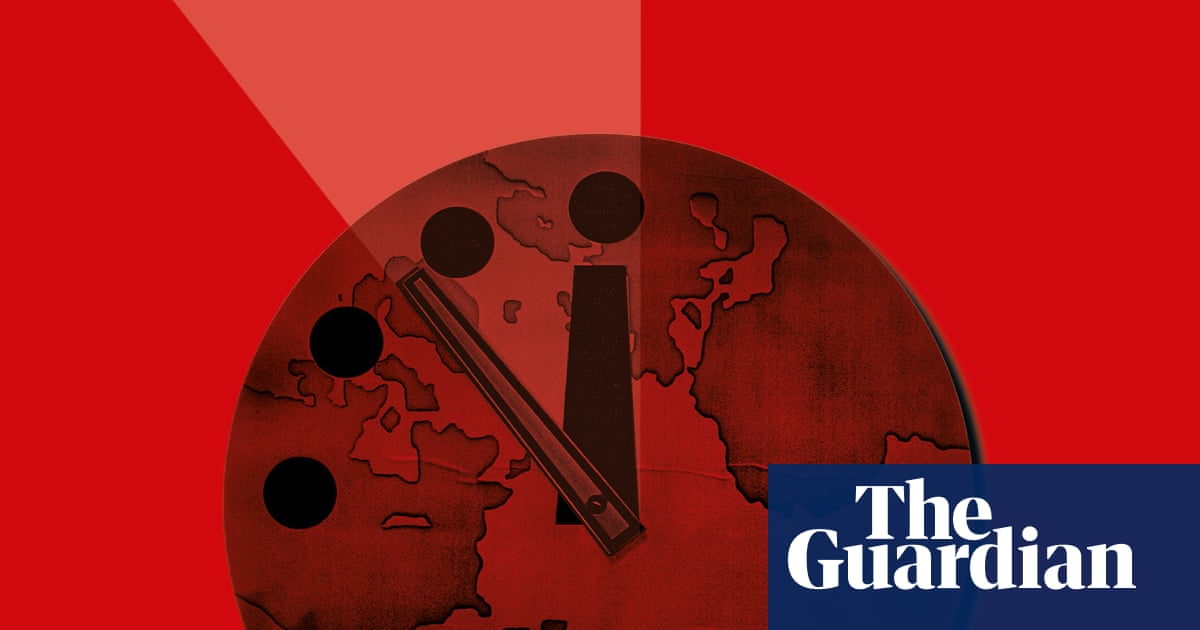
With the war on Iran, Ukraine, AI and climate breakdown increasing the likelihood of a nuclear war, the clock stands closer to midnight than ever before. So who decides how many seconds we have left – and can we buy ourselves more time? The Earth is getting hotter. Conflicts are raging, in the Middle East and Ukraine, each increasing the chance of nuclear war. AI is infiltrating almost every aspect of our lives, despite its unpredictability and tendency to hallucinate. Scientists, tinkering in labs, risk introducing new, deadly pathogens , more destructive than Covid. Our pandemic response preparedness has weakened . The Doomsday Clock – a large, quarter clock with no numbers, keeps ticking, counting down the seconds until the apocalypse. Tick. Tick. Tick. In January, we reached 85 seconds to midnight. Experts believe humanity has never stood so close to the brink. “What we have seen is
coverage / Wire report
Get updates, read source context, send useful records, share the story, or support the reporting work from the reading page.
With the war on Iran, Ukraine, AI and climate breakdown increasing the likelihood of a nuclear war, the clock stands closer to midnight than ever before. So who decides how many seconds we have left – and can we buy ourselves more time? The Earth is getting hotter. Conflicts are raging, in the Middle East and Ukraine, each increasing the chance of nuclear war. AI is infiltrating almost every aspect of our lives, despite its unpredictability and tendency to hallucinate. Scientists, tinkering in labs, risk introducing new, deadly pathogens , more destructive than Covid. Our pandemic response preparedness has weakened . The Doomsday Clock – a large, quarter clock with no numbers, keeps ticking, counting down the seconds until the apocalypse. Tick. Tick. Tick. In January, we reached 85 seconds to midnight. Experts believe humanity has never stood so close to the brink. “What we have seen is
Check the original link, updates, and responses when a detail is contested.
Open topic or search related wording such as records, sources, agencies, dates, and locations.
What happened
According to The Guardian’s linked item, ‘The odds are not in our favour’: who sets the Doomsday Clock – and what can they tell us about the future of humanity?, With the war on Iran, Ukraine, AI and climate breakdown increasing the likelihood of a nuclear war, the clock stands closer to midnight than ever before. So who decides how many seconds we have left – and can we buy ourselves more time? The Earth is getting hotter. Conflicts are raging, in the Middle East and Ukraine, each increasing the chance of nuclear war. AI is infiltrating almost every aspect of our lives, despite its unpredictability and tendency to hallucinate. Scientists, tinkering in labs, risk introducing new, deadly pathogens , more destructive than Covid. Our pandemic response preparedness has weakened . The Doomsday Clock – a large, quarter clock with no numbers, keeps ticking, counting down the seconds until the apocalypse. Tick. Tick. Tick. In January, we reached 85 seconds to midnight. Experts believe humanity has never stood so close to the brink. “What we have seen is
Context
The development sits in VINI’s Science coverage for readers following research, health, climate, space, medicine, and scientific institutions. The original report is linked so readers can check the source account, follow later updates, and compare new coverage against the first published record. The linked item is dated 2026-05-09T05:00:49+00:00.
What to watch
Open questions include whether primary sources issue follow-up statements, whether local or market impacts become clearer, and whether additional reporting changes the timeline or adds material context.
Source
Primary source: ‘The odds are not in our favour’: who sets the Doomsday Clock – and what can they tell us about the future of humanity? via The Guardian. VINI cites and links the source; it does not reproduce the publisher’s full article text without rights clearance.
Keep following
This file can keep developing
vininews.com uses reader tips, public records, right-of-reply requests, corrections, and follow-up reporting to keep important stories current.
Support and subscriptions never buy coverage, placement, suppression, or corrections.
This VINI report keeps the original publisher link available and does not republish third-party article bodies without rights clearance. 1 reference listed.
Source links
- ‘The odds are not in our favour’: who sets the Doomsday Clock – and what can they tell us about the future of humanity?The Guardian - 2026-05-09T05:00:49+00:00
Reader comments
Moderated discussion
Comments are open to authenticated approved accounts, screened for spam and abuse, and published only after newsroom moderation unless editors change the story control.
No approved comments yet.
Substantive, civil comments can be submitted by approved account holders.