Records explainer
Safe Parking Program Facts: What the News Archive Says the Program Is Supposed to Provide
an attributed VINI story separates the City of Mountain View's stated safe-parking commitments from the questions that still need records, responses, and resident documentation.
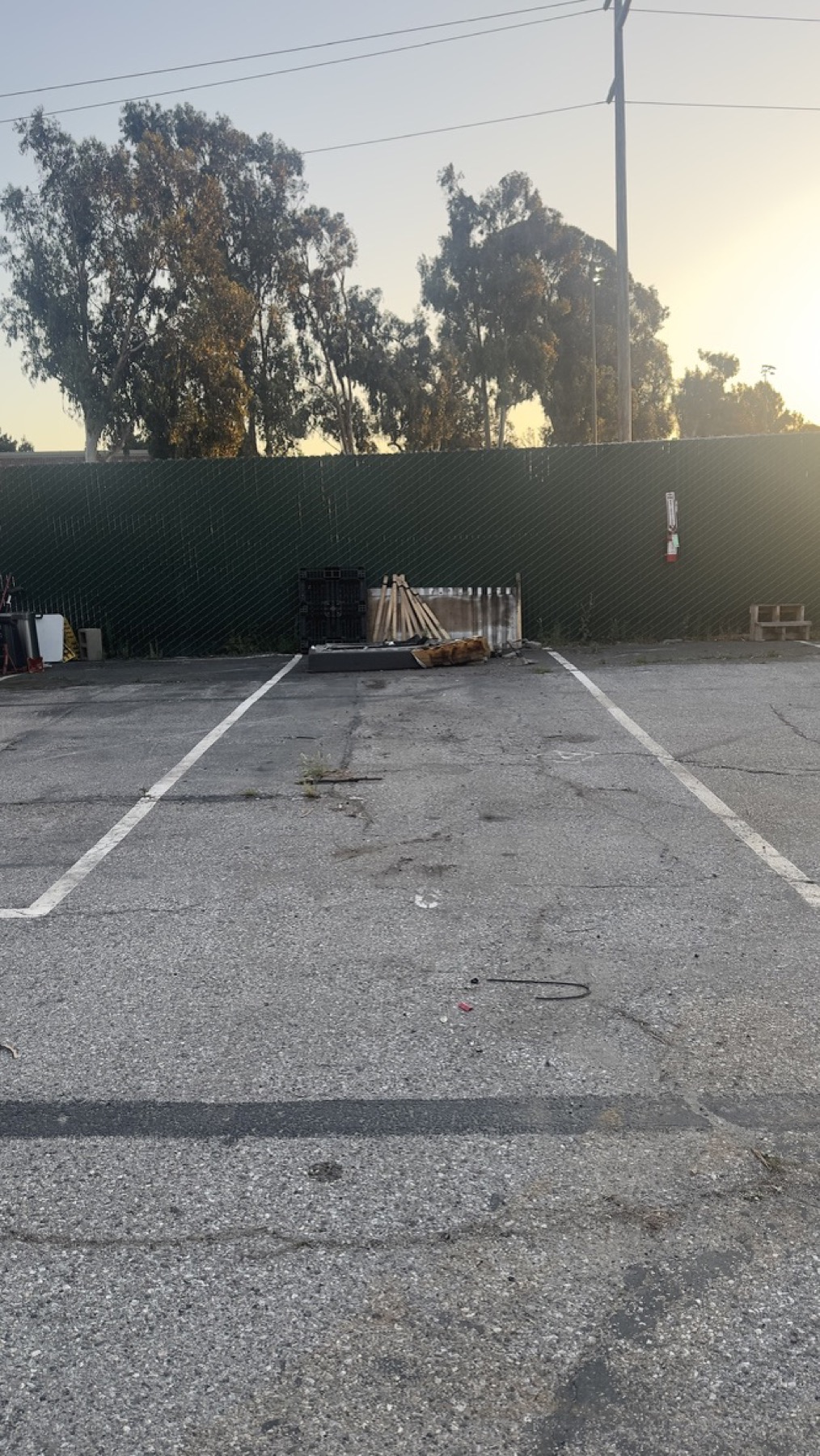
coverage / original
Get updates, read source context, send useful records, share the story, or support the reporting work from the reading page.
an attributed VINI story separates the City of Mountain View's stated safe-parking commitments from the questions that still need records, responses, and resident documentation.
Use the references, response options, and updates before treating any contested detail as complete.
Open topic path or search related wording such as records, sources, agencies, dates, and locations.
This reader guides starts with the public record, not with a conclusion.
What the City says safe parking is
The City of Mountain View describes safe parking as a free program for individuals and families living in a vehicle. The City’s public page says the program provides a temporary safe location to park while connecting participants with services intended to help them move toward more stable housing.
The same City page says restrooms, water, wash stations, and other basic services are provided on safe-parking lots for participants. It also says the program is not for commuter or recreational parking.
Those statements create a useful verification frame. If the public promise includes stability, basic services, and transition support, the News archive should be able to answer whether residents actually receive predictable access to the listed services and whether case-management steps are documented.
The public eligibility frame
The City page lists participation preferences that include families with students in Mountain View school districts, people who live or work in Mountain View, seniors, and people with disabilities. That matters because the published eligibility frame intersects with questions about access, accommodation, and whether a resident’s circumstances are handled consistently.
The public record also identifies MOVE Mountain View as the operator contact for applications. VINI News is not treating the presence of an operator as proof that any particular allegation is true or false. It is treating the operator role as a reason to request policies, notices, schedules, logs, and response records when residents raise questions.
What records would make the file clearer
The next reporting step is not to collapse public claims, resident experience, and legal conclusions into one paragraph. The next step is to identify records that should exist if the program is operating under stable rules.
Records that would help include written lot schedules, basic-service access rules, closure logs, resident notices, grievance forms, case-management policies, accommodation procedures, vehicle rosters, towing protocols, staff schedules, operator contracts, city communications, county communications, and public reports on funding or program outcomes.
Why readers should care
Safe parking is a narrow program, but the questions are larger than one lot. Public and charitable programs serving vulnerable people often depend on ordinary records: schedules, notices, policies, complaints, responses, and corrections. If those records are missing, inconsistent, or hard to inspect, the public cannot easily tell whether the program is delivering what the public record says it is supposed to deliver.
This file will be updated as VINI obtains official responses, public records, resident documents, and corrections.
Keep following
This file can keep developing
vininews.com uses reader tips, public records, right-of-reply requests, corrections, and follow-up reporting to keep important stories current.
Support and subscriptions never buy coverage, placement, suppression, or corrections.
Reader comments
Moderated discussion
Comments are open to authenticated approved accounts, screened for spam and abuse, and published only after newsroom moderation unless editors change the story control.
No approved comments yet.
Substantive, civil comments can be submitted by approved account holders.