Breaking / Developing story
After Safe-Parking Exit, Palo Alto RV Tow Raises Questions About Grace, Disability, and Public-Space Enforcement
VINI News founder Vinita Duniphin says Palo Alto police impounded her RV for expired tags on June 1, 2026 after she asked for a few hours to move it, go to DMV, drive it, or arrange AAA towing. New reporting raises questions about towing costs, release barriers, disability, vehicle homes, and whether reasonable alternatives were available before a home-on-wheels was removed.
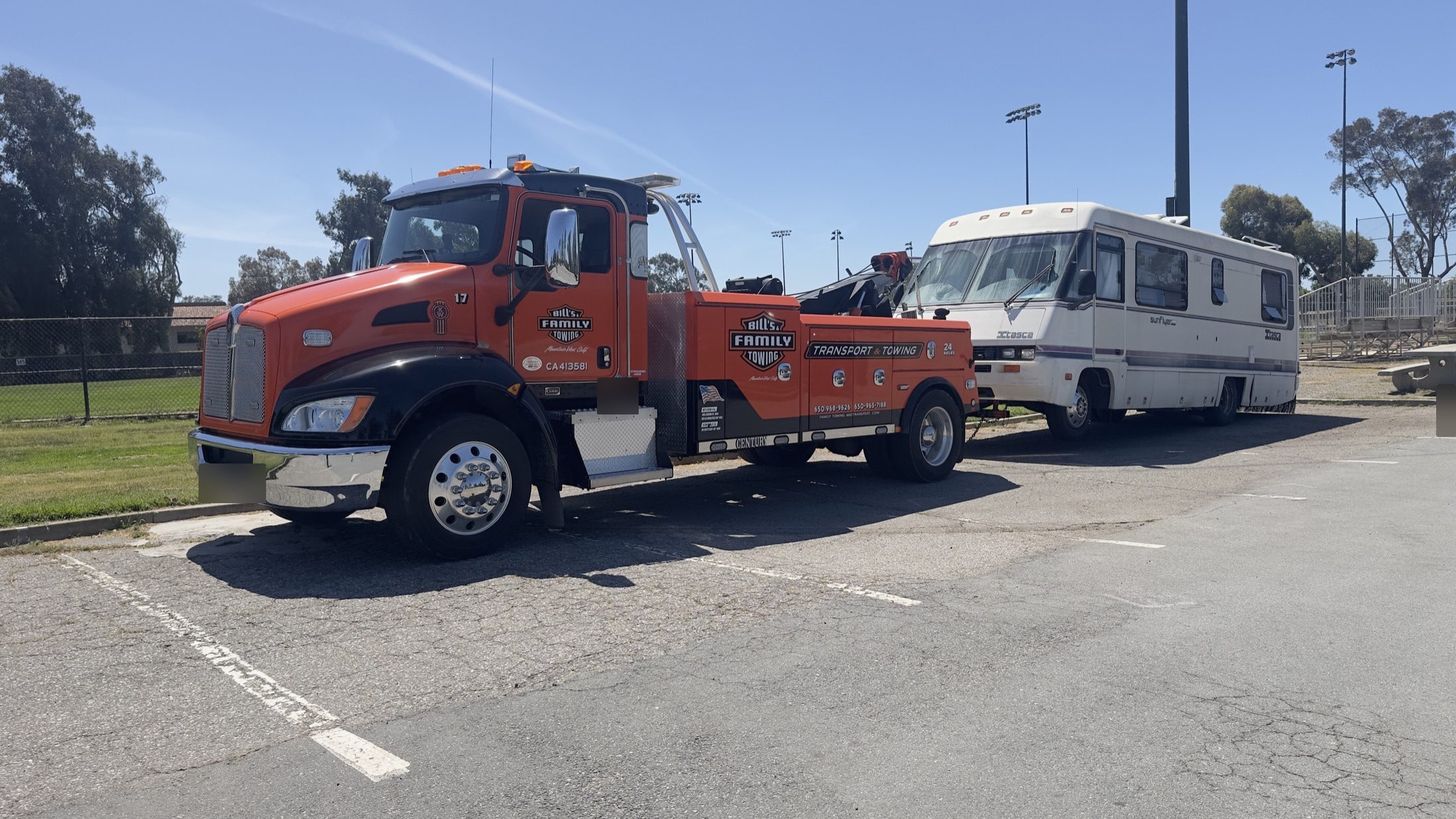
coverage / original
Get updates, read source context, send useful records, share the story, or support the reporting work from the reading page.
VINI News founder Vinita Duniphin says Palo Alto police impounded her RV for expired tags on June 1, 2026 after she asked for a few hours to move it, go to DMV, drive it, or arrange AAA towing. New reporting raises questions about towing costs, release barriers, disability, vehicle homes, and whether reasonable alternatives were available before a home-on-wheels was removed.
Check the original link, updates, and responses when a detail is contested.
Open topic or search related wording such as records, sources, agencies, dates, and locations.
This is a developing story. VINI News is seeking records and comment from the Palo Alto Police Department, the City of Palo Alto, the towing company, and any public or private entity involved in the decision to impound the RV for expired tags.
Quick read: facts and chronology
- Morning, June 1, 2026: Vinita Duniphin says she parked her RV in a parking lot near a park and the Geng safe-parking area after recently being exited from Move Mountain View’s safe-parking program.
- Later June 1, 2026: Duniphin says she was charging her phone nearby. When she returned, Palo Alto police and a tow operator were present and the RV was being impounded and towed for expired tags.
- June 1, 2026: Duniphin says the stated basis for the impound was expired tags. VINI News has not yet obtained the tow authorization, DMV verification, citation, storage notice, or written legal authority used for the impound.
- June 1, 2026: Duniphin says she told a Palo Alto police officer that she had just been exited from the safe-parking program, had paperwork, and needed only a few hours to move the RV, go to DMV, drive it if allowed, or arrange towing through AAA.
- June 1, 2026: Duniphin says police did not allow that short window. She says she was able to remove only her computer and disabled placard from the RV before the tow.
- June 1, 2026: Duniphin says a storage/towing representative she believes was named Fred later quoted more than $1,200 if the RV was picked up within about four hours and said daily storage would be $288. VINI News has not yet obtained the written invoice, rate sheet, police tow authorization, or storage contract.
- Public process question: Palo Alto’s public abandoned-vehicle information says its 72-hour public-street process normally includes a written warning notice and a return at least 72 hours later. VINI News has not yet verified the precise authority used in this incident or whether officials relied on expired-tags registration authority, a different rule, property status, parking restriction, safety concern, or another tow authority.
Disclosure
The author of this story, Vinita Duniphin, is the person whose RV was towed. Duniphin is also the founder and editor of VINI News, a recently exited Move Mountain View safe-parking participant, and the author of VINI News’ continuing investigation into safe-parking operations, exits, disability access, and basic-needs issues. This disclosure is included so readers can evaluate the reporting context. This story distinguishes Duniphin’s first-hand account from facts independently verified by documents, public records, photographs, or official comment.
What happened
Duniphin says she parked the RV on the morning of June 1 in a parking lot near a park and the Geng safe-parking area. She says she left briefly to charge her phone nearby. When she returned, Palo Alto police and a tow operator were at the scene. Duniphin says the stated reason for the impound was expired tags.
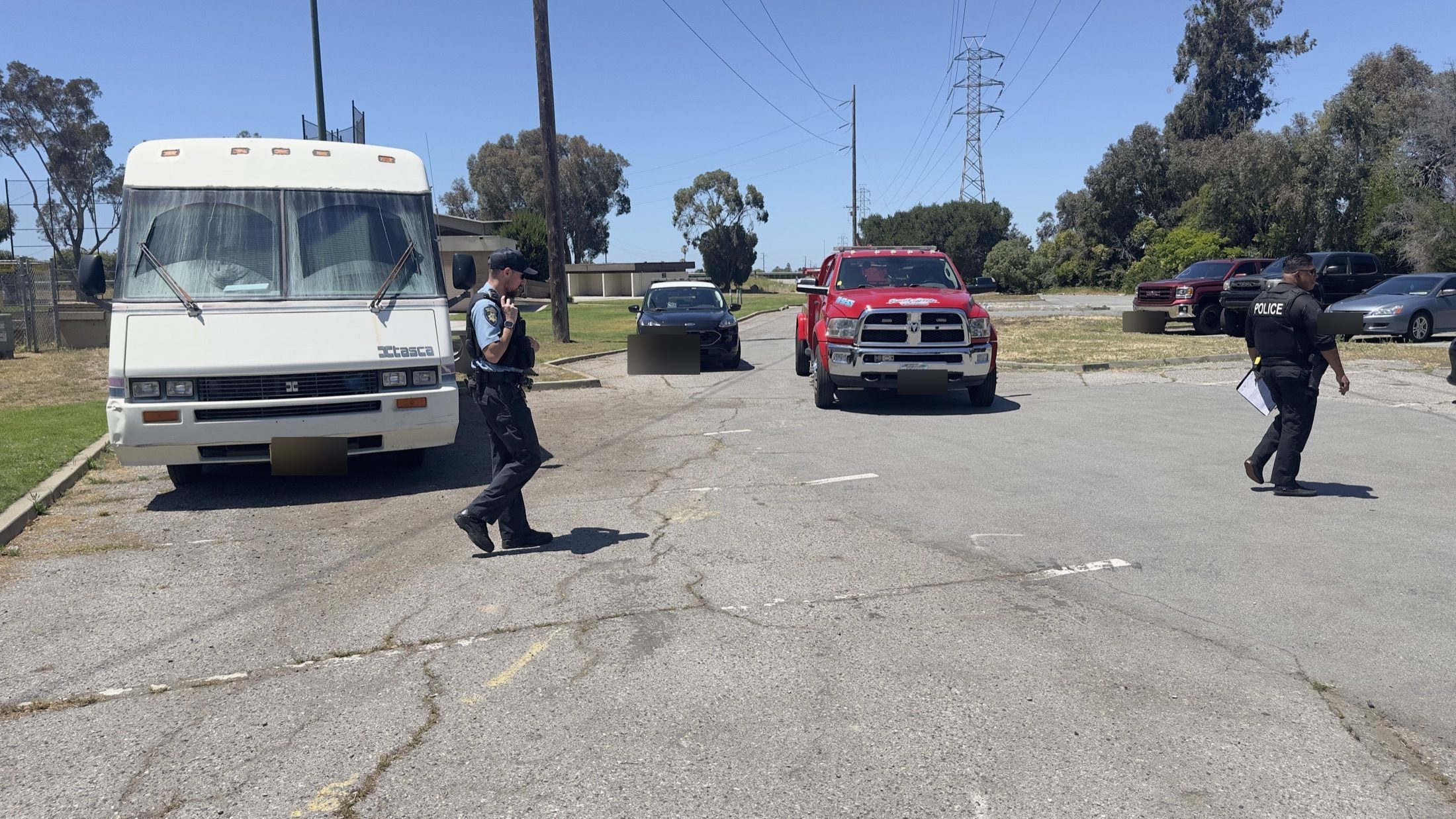
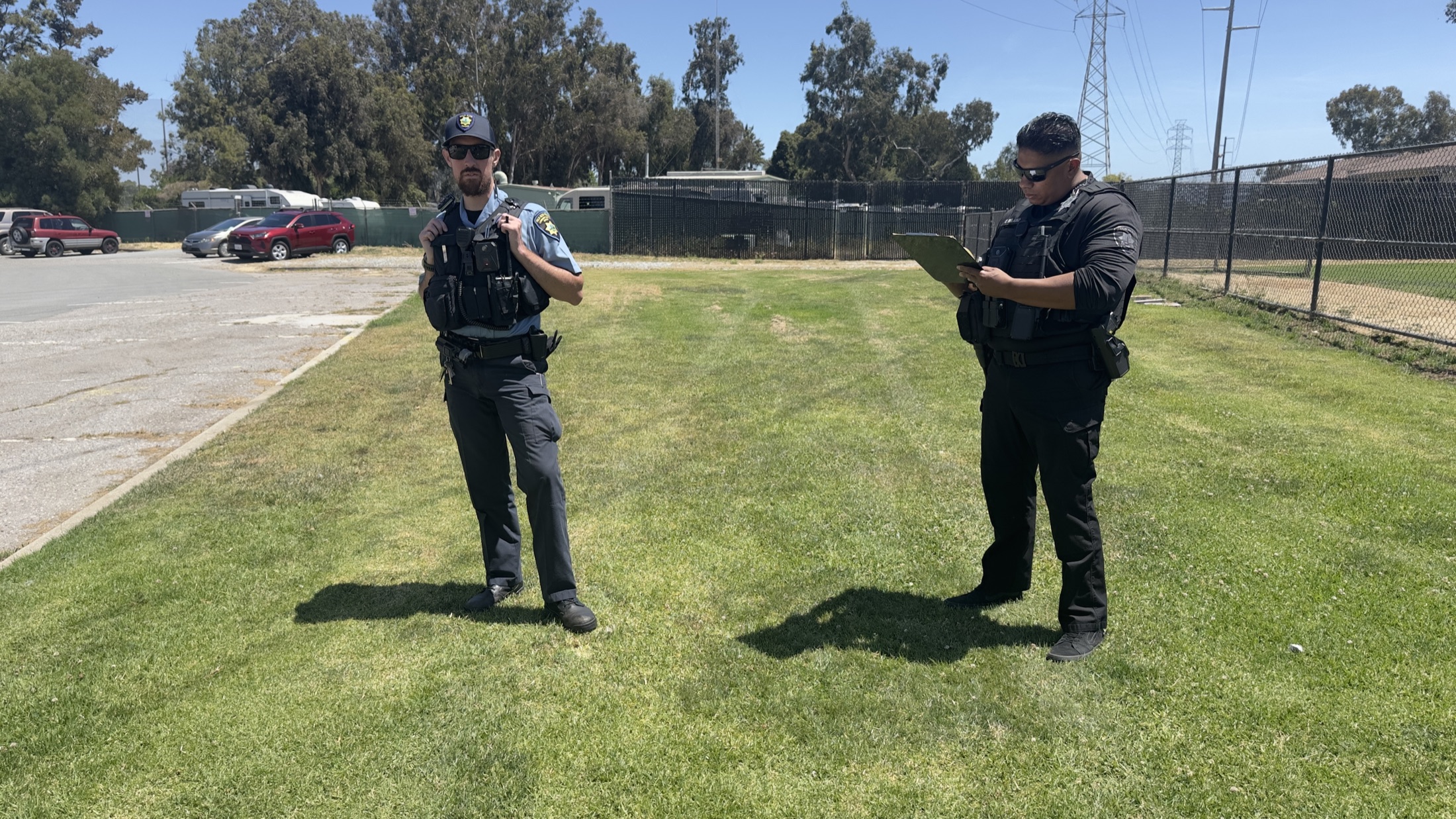
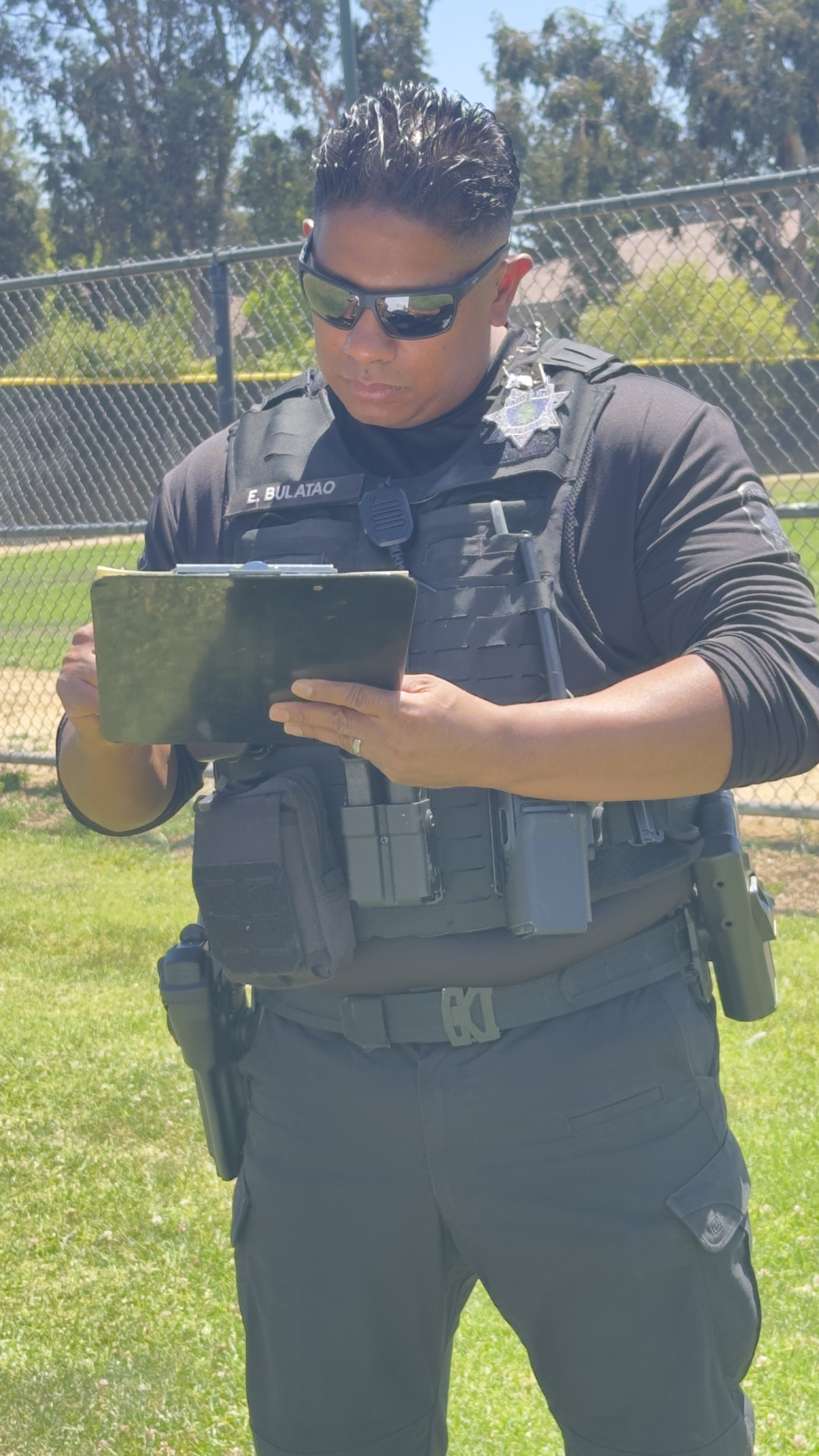
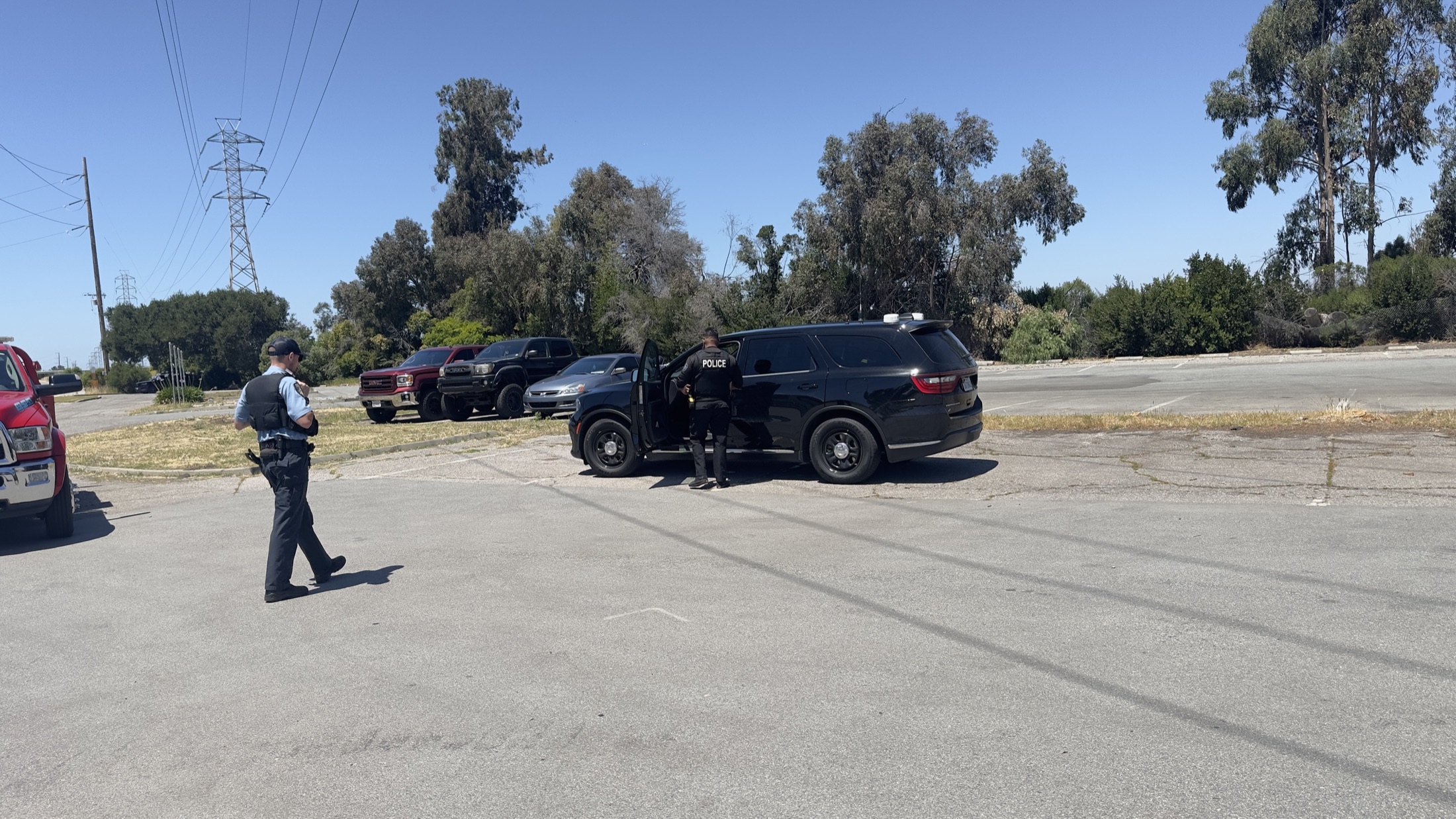
Photographs taken by Duniphin show two uniformed officers, a red tow truck, a Palo Alto police vehicle, and the RV at the parking-lot scene. One officer is identified by a uniform name tape as E. Bulatao.
According to Duniphin, she asked officers to let her move the RV to a nearby private parking lot, go to DMV, drive the RV if permitted, or arrange an AAA tow. She says she told the officer that she had just been exited from the safe-parking program, that she had paperwork related to that exit, and that she needed only a few hours.
Duniphin says the request was denied and the RV was impounded and towed. She says she was destabilized immediately because the RV contained her living space, records, and personal property. She says she removed only her computer and disabled placard before the tow.
VINI News has not yet obtained the police incident report, body-camera footage, dispatch records, tow authorization, DMV registration verification, towing-company invoice, vehicle release instructions, officer notes, parking citation, warning notice, property-status record, or any written legal authority confirming the expired-tags impound basis.
Tow costs, release barriers, and alternatives
Duniphin says that after the tow she spoke with a storage or towing representative she believes was named Fred. According to Duniphin, the representative was not compassionate and quoted more than $1,200 if the RV was picked up within about four hours, with daily storage at $288. VINI News has not yet obtained the written invoice, rate sheet, police authorization, storage-yard contract, or all applicable statutory fee notices. The company should be given an opportunity to confirm, correct, or explain the charges, the release process, and any low-income or hardship options.
The cost matters because timing can make release impossible. Duniphin says the quoted same-day pickup window was not realistic because DMV and police-department access were unavailable after 5 p.m., and she says she had already asked police for time to move the RV, drive it if legally permissible, obtain DMV help, or arrange AAA towing.
This raises a public-policy question separate from whether the tow was technically authorized: when the vehicle is also someone’s shelter, what reasonable alternatives should be considered before immediate storage fees begin? Possible alternatives include a citation, a documented move order, a short grace period, a 24-to-72-hour temporary extension, permission to move the vehicle to a nearby lawful lot, referral to a safe-parking or outreach provider, hardship review before storage accrues, or allowing a member-arranged tow such as AAA when safety allows.
California Vehicle Code section 22651 lists multiple circumstances under which vehicles may be removed, including specified registration-related circumstances. DMV materials also describe temporary operating permits and one-trip permits in some circumstances. VINI News has not determined whether any permit pathway was available here. The records question is whether officers or city policy considered any less destabilizing option before storage fees began, especially after Duniphin said she had just been exited from safe parking and needed only a short window to move the RV.
Duniphin characterizes the towing and storage system as punitive and unaffordable for unhoused or recently displaced vehicle dwellers. VINI News will examine whether towing contracts, fee schedules, hearing access, release procedures, hardship policies, police discretion, city oversight, and public spending on homelessness services align with the stated goal of stabilizing vulnerable residents rather than pushing them further into crisis.
Public process and legal context
This story does not determine whether the tow was lawful. It raises factual and policy questions that can be answered only by records and official response.
The City of Palo Alto’s public abandoned-vehicle complaint page says the Palo Alto Municipal Code requires a vehicle parked on a public street to be driven at least one-half mile every 72 hours. The same city page says that, after an abandoned-vehicle complaint, Community Service Officers place a warning notice on the vehicle, that the written notice is required by the Municipal Code, and that the City returns a minimum of 72 hours later before taking enforcement action as appropriate.
California Vehicle Code section 22669 allows a peace officer or certain designated public employees to remove a vehicle when there are reasonable grounds to believe the vehicle has been abandoned, as determined under Vehicle Code section 22523. Section 22523 prohibits abandoning a vehicle on a highway and prohibits abandoning a vehicle on public or private property without consent of the owner or person in lawful possession or control of the property.
California Vehicle Code section 22852 says that when an authorized public-agency member directs vehicle storage under the chapter, the agency or person directing storage generally must provide registered and legal owners an opportunity for a post-storage hearing to determine the validity of the storage, with exceptions listed in the statute.
California Vehicle Code section 22651 contains several removal authorities, including some involving registration status. One registration-related provision generally requires a peace officer to verify with DMV that registration has been expired for more than six months before removal under that subdivision. Because Duniphin says the stated reason was expired tags, VINI News is seeking the DMV verification, citation, tow authorization, and exact statutory or municipal authority used. VINI News has not yet verified whether Palo Alto relied on that section, a different Vehicle Code section, a municipal rule, property authorization, or another basis.
The key unanswered question is which authority Palo Alto police relied on here. Duniphin says the RV had been parked there only that morning. If the tow was not a 72-hour abandoned-vehicle tow, records should show what alternative basis was used: expired-tags or registration authority, property authorization, posted parking rules, public-safety issue, park rule, private-property rule, vehicle-condition issue, or another California Vehicle Code or municipal-code provision.
Why this matters beyond one tow
For people living in vehicles, a tow is not just a parking consequence. It can remove shelter, medication, documents, computers, legal papers, family items, hygiene items, accessibility equipment, disability placards, and the only stable location from which a person can contact providers, look for housing, pursue benefits, attend school or work, or communicate with family.
Duniphin says the incident occurred immediately after she had been exited from a safe-parking program that is publicly described as a stability-oriented intervention. If a recently exited participant loses the vehicle shortly after leaving safe parking, the story becomes larger than one parking enforcement event. It raises questions about transition planning, disability-related support, municipal coordination, and whether public agencies provide any practical grace period when a vehicle is also a person’s home.
VINI News is opening a broader reporting file on vehicle homes, public-space enforcement, towing, safe-parking exits, disabled residents, and local-government response across Palo Alto, Mountain View, Santa Clara County, and nearby Bay Area cities.
Records and comment being sought
VINI News is seeking records and comment on the following questions:
- What exact legal authority was used to impound the RV for expired tags on June 1, 2026?
- Was the RV treated as expired-registration enforcement, abandoned, illegally parked, unsafe, trespassing, subject to posted restrictions, or subject to another tow category?
- Was the parking lot public property, private property, park property, city property, school property, utility property, or another category of land?
- Was any written warning notice, citation, DMV verification, chalk mark, tire mark, tag, or prior complaint associated with the RV before the tow?
- If the RV had been parked there only that morning, why was immediate towing used rather than a warning, a citation, a move order, or a short grace period?
- Did any officer or city employee consider that the RV was being used as housing and that Duniphin had just been exited from safe parking?
- Did any officer or city employee consider disability, the disabled placard, accessibility needs, or a reasonable-accommodation request before towing?
- Was Duniphin offered a post-storage hearing, written notice of storage, release instructions, low-income waiver information, or any other rights notice?
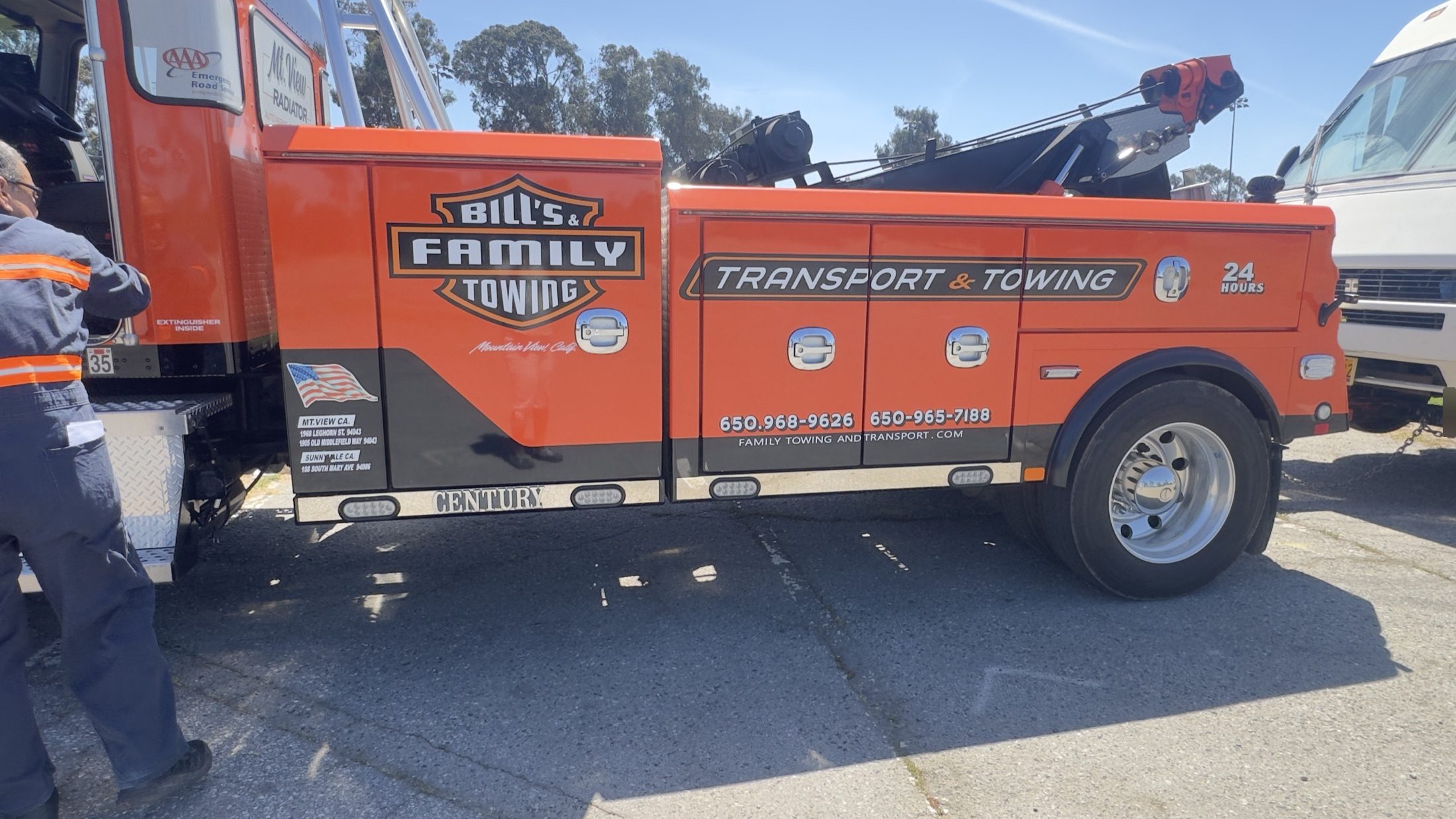
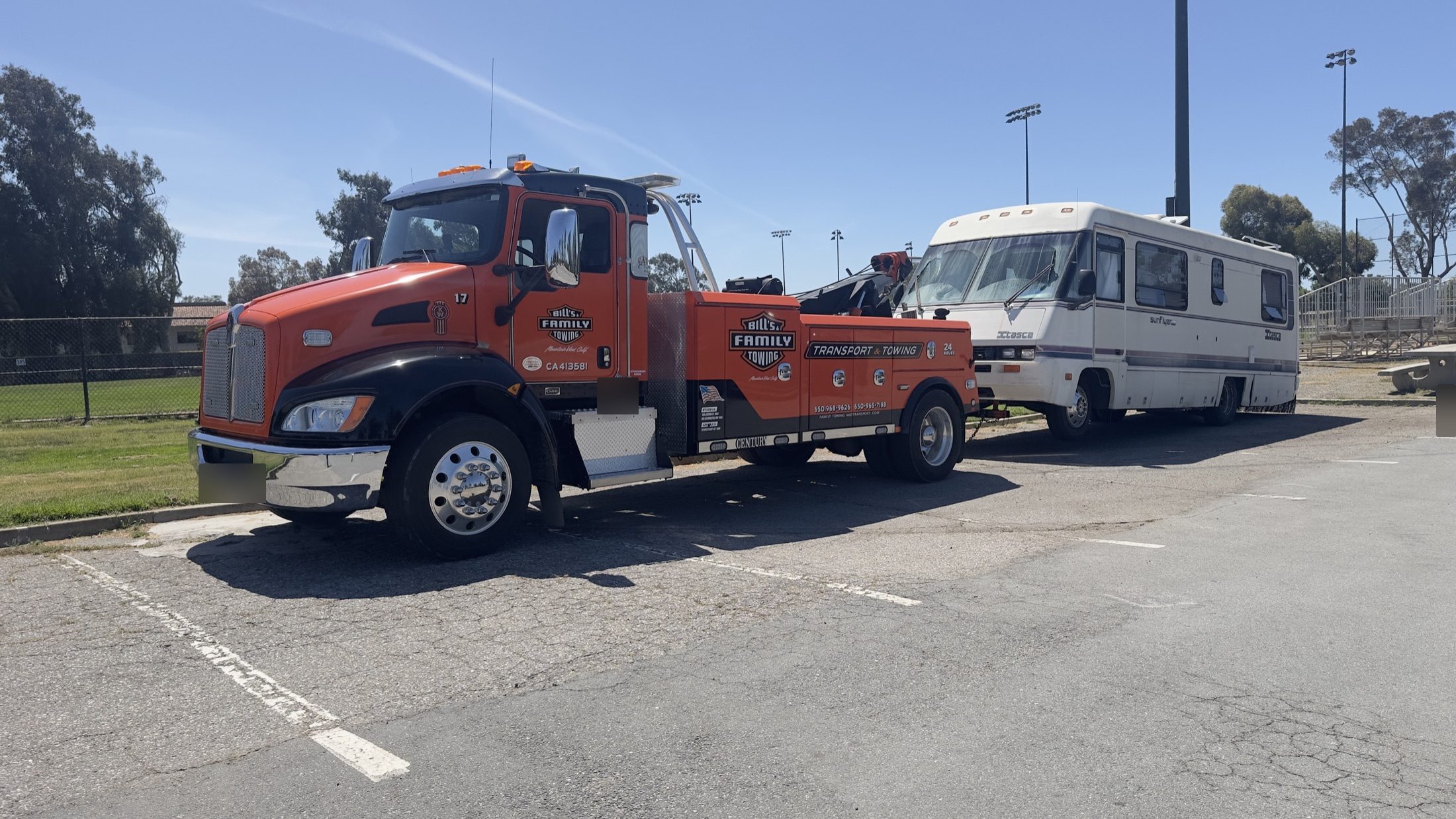
- Which tow company removed the RV, where was it stored, what charges accrued, and what steps are required for release?
- What written rate schedule, contract, city authorization, police tow rotation policy, hardship procedure, low-income waiver, or fee-dispute process governs the tow and storage charges?
- Were less destabilizing alternatives considered, including a citation, move order, short grace period, AAA tow, temporary permit pathway, outreach referral, or nearby lawful relocation?
- Were body-camera recordings, dispatch logs, CAD notes, photographs, ALPR records, tow authorization forms, or officer narratives created?
- Did Palo Alto police or city staff communicate with Move Mountain View, the City of Mountain View, Santa Clara County, park staff, private property representatives, or any other entity before the tow?
- What policy governs Palo Alto enforcement involving vehicle dwellers, disabled vehicle dwellers, recently exited safe-parking participants, and people asking for a short period to move a vehicle-home?
Named people, agencies, and records
This file tracks records and right-of-reply questions involving the Palo Alto Police Department; the City of Palo Alto; Officer E. Bulatao; Bill’s Family Towing; California DMV; AAA; Move Mountain View; Case Management Supervisor Kevin Ashline; the City of Mountain View; Santa Clara County; and any tow authorization, DMV verification, expired-registration record, post-storage hearing, rate schedule, contract, hardship-policy, body-camera, dispatch, citation, or release records that may clarify what occurred. Inclusion in this section means the person or entity is named in reporting questions, photographs, public materials, records requests, or right-of-reply requests. It does not mean any disputed fact has been established.
Related coverage
This story is related to VINI News’ continuing investigation, Safe Parking, Basic Needs, and Accountability: Resident Complaints Raise Questions About Move Mountain View Operations, and the related file, After Safe-Parking Exit, Resident’s Death Raises Welfare and Case-Management Questions.
VINI News is asking other vehicle dwellers, safe-parking participants, former participants, outreach workers, towing operators, public employees, disability advocates, and witnesses to share records, notices, photographs, citations, towing paperwork, hearing notices, release instructions, and first-hand accounts. Anonymous tips may be used for leads and pattern identification; named sources may be contacted for verification before publication.
This story will be updated as records, comment, corrections, photographs, and additional verification become available.
Photo file
Visual record
Author-provided photographs are published with visible captions, credits, rights notes, and metadata-disclosure notes where available.
Keep following
This file can keep developing
vininews.com uses reader tips, public records, right-of-reply requests, corrections, and follow-up reporting to keep important stories current.
Support and subscriptions never buy coverage, placement, suppression, or corrections.
Source links
- Palo Alto Police DepartmentCity of Palo Alto - date not listed
- Abandoned Vehicle ComplaintCity of Palo Alto - date not listed
- California Vehicle Code section 22669California Legislative Information - date not listed
- California Vehicle Code section 22523California Legislative Information - date not listed
- California Vehicle Code section 22852California Legislative Information - date not listed
- VINI News: Safe Parking, Basic Needs, and AccountabilityVINI News - 2026-05-07T06:30:00Z
- VINI News: After Safe-Parking Exit, Resident's Death Raises Welfare and Case-Management QuestionsVINI News - 2026-05-28T08:00:00Z
- California Vehicle Code section 22651California Legislative Information - date not listed
- Temporary Operating PermitsCalifornia Department of Motor Vehicles - date not listed
- One-Trip PermitCalifornia Department of Motor Vehicles - date not listed
Reader comments
Moderated discussion
Comments are open to authenticated approved accounts, screened for spam and abuse, and published only after newsroom moderation unless editors change the story control.
No approved comments yet.
Substantive, civil comments can be submitted by approved account holders.