Wire report
Ping-pong sponges, ‘black smokers’ and floating somethings: the secrets of the deep sea
The bottom of the ocean has barely been explored, but every journey to the deep reveals wondrous new lifeforms. As underwater mining gains momentum, we risk destroying one of the Earth’s last great wildernesses On 8 March 2014, at 1.20am, Malaysian Airlines flight 370 veered off its scheduled route from Kuala Lumpur to Beijing. An hour later, military radar spotted the plane heading west over the Andaman Sea. Six or seven hours later, it is presumed to have crashed somewhere over the southern Indian Ocean, one of the least studied bodies of water in the world. Just how little we knew about this part of the ocean became clear during the subsequent search for the missing aircraft. Before a proper underwater search could even begin, a vast stretch of seafloor had to be mapped. Over the next three years, a team of ships from Australia, China and Malaysia scanned the bottom with a combination
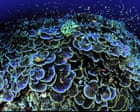
coverage / Wire report
Get updates, read source context, send useful records, share the story, or support the reporting work from the reading page.
The bottom of the ocean has barely been explored, but every journey to the deep reveals wondrous new lifeforms. As underwater mining gains momentum, we risk destroying one of the Earth’s last great wildernesses On 8 March 2014, at 1.20am, Malaysian Airlines flight 370 veered off its scheduled route from Kuala Lumpur to Beijing. An hour later, military radar spotted the plane heading west over the Andaman Sea. Six or seven hours later, it is presumed to have crashed somewhere over the southern Indian Ocean, one of the least studied bodies of water in the world. Just how little we knew about this part of the ocean became clear during the subsequent search for the missing aircraft. Before a proper underwater search could even begin, a vast stretch of seafloor had to be mapped. Over the next three years, a team of ships from Australia, China and Malaysia scanned the bottom with a combination
Check the original link, updates, and responses when a detail is contested.
Open topic or search related wording such as records, sources, agencies, dates, and locations.
What happened
According to The Guardian’s linked item, Ping-pong sponges, ‘black smokers’ and floating somethings: the secrets of the deep sea, The bottom of the ocean has barely been explored, but every journey to the deep reveals wondrous new lifeforms. As underwater mining gains momentum, we risk destroying one of the Earth’s last great wildernesses On 8 March 2014, at 1.20am, Malaysian Airlines flight 370 veered off its scheduled route from Kuala Lumpur to Beijing. An hour later, military radar spotted the plane heading west over the Andaman Sea. Six or seven hours later, it is presumed to have crashed somewhere over the southern Indian Ocean, one of the least studied bodies of water in the world. Just how little we knew about this part of the ocean became clear during the subsequent search for the missing aircraft. Before a proper underwater search could even begin, a vast stretch of seafloor had to be mapped. Over the next three years, a team of ships from Australia, China and Malaysia scanned the bottom with a combination
Context
The development sits in VINI’s Global coverage for readers following international affairs, institutions, conflict, diplomacy, economics, and cross-border consequences. The original report is linked so readers can check the source account, follow later updates, and compare new coverage against the first published record. The linked item is dated 2026-06-09T04:00:44+00:00.
What to watch
Open questions include whether primary sources issue follow-up statements, whether local or market impacts become clearer, and whether additional reporting changes the timeline or adds material context.
Source
Primary source: Ping-pong sponges, ‘black smokers’ and floating somethings: the secrets of the deep sea via The Guardian. VINI cites and links the source; it does not reproduce the publisher’s full article text without rights clearance.
Keep following
This file can keep developing
vininews.com uses reader tips, public records, right-of-reply requests, corrections, and follow-up reporting to keep important stories current.
Support and subscriptions never buy coverage, placement, suppression, or corrections.
This VINI report keeps the original publisher link available and does not republish third-party article bodies without rights clearance. 1 reference listed.
Source links
- Ping-pong sponges, ‘black smokers’ and floating somethings: the secrets of the deep seaThe Guardian - 2026-06-09T04:00:44+00:00
Reader comments
Moderated discussion
Comments are open to authenticated approved accounts, screened for spam and abuse, and published only after newsroom moderation unless editors change the story control.
No approved comments yet.
Substantive, civil comments can be submitted by approved account holders.