Developing story
Safe Parking, Basic Needs, and Accountability: Resident Complaints Raise Questions About Move Mountain View Operations
A developing VINI News investigation tracks dated resident complaints about basic-needs access, case management, towing questions, exit decisions, disability accommodation, grievance handling, and staff conduct in Move Mountain View safe-parking operations.
coverage / original
Get updates, read source context, send useful records, share the story, or support the reporting work from the reading page.
A developing VINI News investigation tracks dated resident complaints about basic-needs access, case management, towing questions, exit decisions, disability accommodation, grievance handling, and staff conduct in Move Mountain View safe-parking operations.
Check the original link, updates, and responses when a detail is contested.
Open topic or search related wording such as records, sources, agencies, dates, and locations.
This is a developing story.
Quick read: facts and chronology
- April 29, 2026: A disputed exit letter, described by the resident as signed by Case Management Supervisor Kevin Ashline, directed the author to leave the safe-parking program by May 29, 2026. The author disputes the letter and alleges the decision followed complaints, records requests, disability-related concerns, and advocacy.
- May 7, 2026: VINI News published this developing public-interest investigation and opened a resident, staff, volunteer, contractor, and witness survey in English and Spanish.
- May 13, 2026: Residents alleged further restrictions on basic-needs access at the Geng site, including unreliable or reduced access to showers, laundry, kitchen or food-preparation areas, charging, indoor areas, and weekend or evening amenities.
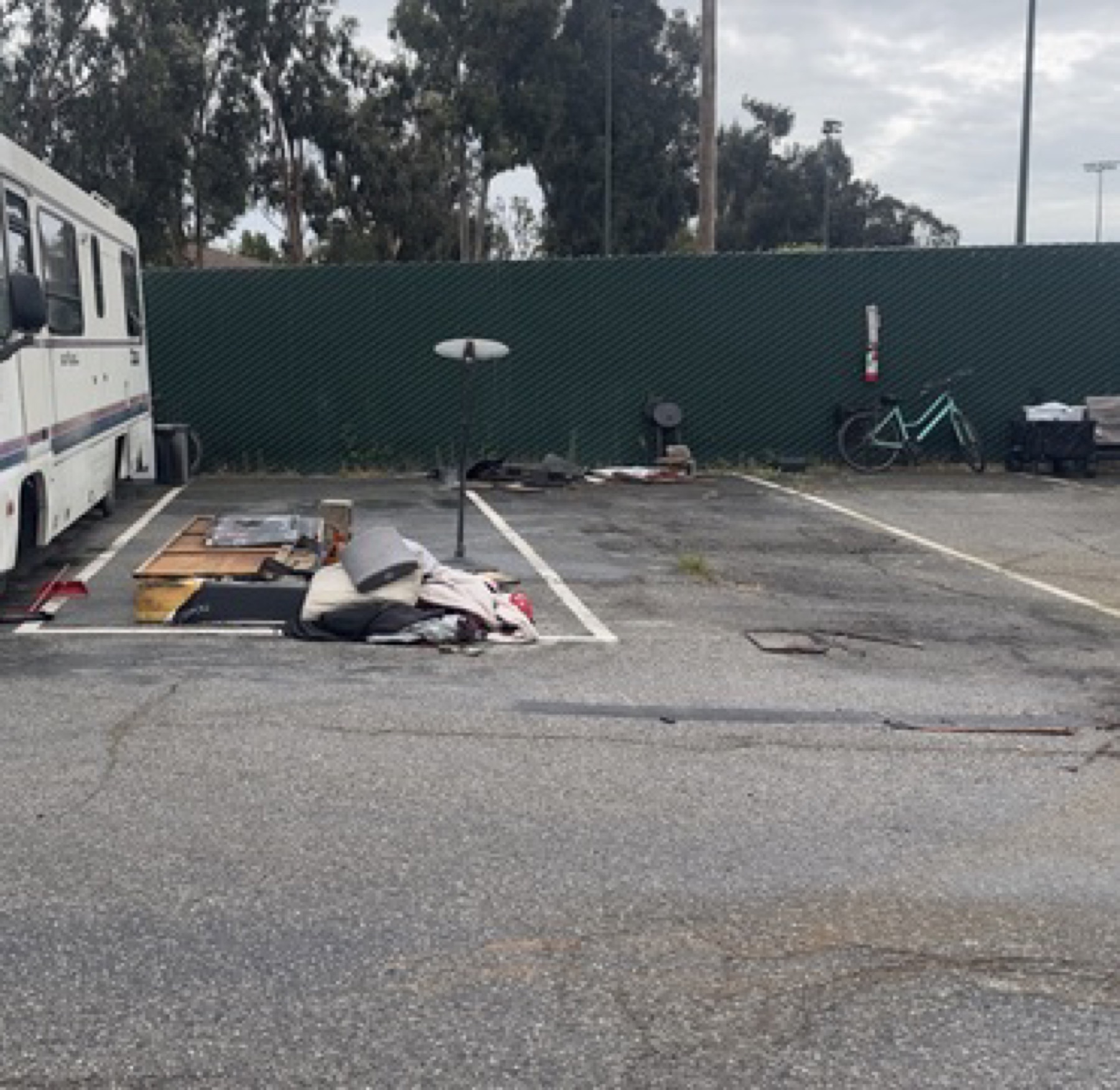
- May 22, 2026: Residents reported that two abandoned trailers were towed from the lot during the afternoon with law-enforcement presence. One RV described by residents as long abandoned remained near the No. 1 space. Three residents told VINI News, as an unverified allegation, that David Temple had taken control of that RV. VINI News has not verified the claim, it may be inaccurate, and VINI News is seeking comment and records before reporting ownership or control as fact.
- June 1, 2026: VINI News published a separate developing story after Palo Alto police had the author’s RV towed shortly after her safe-parking exit. See After Safe-Parking Exit, Palo Alto RV Tow Raises Questions About Grace, Disability, and Public-Space Enforcement.
Figures and records now being sought
- 2 abandoned trailers reportedly towed on May 22, 2026.
- 1 long-abandoned RV reportedly remained after the tow operation.
- 3 residents made the same unverified claim about possible control of the remaining RV.
- 1 disputed April 29, 2026 exit letter remains central to questions about authority, appeal rights, comparator treatment, and county involvement.
- VINI News is seeking tow authorization records, notices, lot rosters, ownership or control records, city and operator communications, law-enforcement records, facility schedules, closure logs, grievance records, and accommodation records.
Move Mountain View’s safe-parking program operates in a public-benefit space. It serves people living in vehicles, operates across multiple lots, and publicly describes its work as providing stability, security, case management, and pathways toward housing.
The City of Mountain View safe-parking page describes safe parking as a free program that provides a temporary safe place to park while connecting participants with services intended to help them transition into more stable housing. The City also says restrooms, water, wash stations, and other basic services are provided at safe-parking lots.
MOVE Mountain View’s safe-parking page describes the program as serving community members living in vehicles because of challenges such as medical hardship, job loss, reduced work hours, or other financial hurdles. MOVE says clients renew month to month with an assigned case manager and must participate in housing case management while working toward permanent housing.
Now, a resident-led documentation effort is raising questions about whether those commitments are being delivered consistently and whether residents who raise concerns are treated fairly.
The resident says a prelitigation packet now being assembled, but not yet finalized or sent, identifies Executive Director Amber Stime, Compliance Manager Eulisses Palma-Hernandez, Case Management Supervisor Kevin Ashline, and staff members identified by the resident as Joseph and Travis. The resident says the allegations concern facility closures, complaint routing, disputed exit documentation, staff conduct, grievance access, disability-accommodation handling, and alleged leadership ratification. Those allegations are contested unless admitted or independently verified, and VINI News is seeking comment from Move Mountain View and the named individuals.
Disclosure
The author of this article is a current Move Mountain View safe-parking participant at the Geng site, an advocate, a journalist, and a prospective litigant regarding matters described in this story. This article is part of a developing public-interest investigation. Allegations are identified as allegations unless independently verified. Move Mountain View, its Board, relevant personnel, the City of Mountain View, Santa Clara County, and other involved entities should be given an opportunity to respond before final publication of any contested factual allegation.
Scope of this investigation
VINI News is examining whether safe-parking services at the Geng site have been delivered consistently and whether complaints, accommodation requests, exit notices, and staff conduct have been handled under clear written procedures. The reporting also examines civil-rights and disability-access questions, nonprofit and public-funding accountability, and possible retaliation concerns.
At this stage, VINI News is not reporting that fraud, discrimination, retaliation, public-funds misuse, or a disability-rights violation occurred. The reporting question is whether records, policies, and witness accounts support or contradict the program commitments described publicly by the City and MOVE.
The public promise: safety, stability, and case management
MOVE Mountain View’s homepage says the organization partners with Santa Clara County, the City of Mountain View, and Palo Alto to provide safe parking lots so vehicle dwellers have a safe place to rest while working toward permanent housing.
MOVE’s case-management page says case managers help participants assess housing challenges, identify solutions, provide accountability, connect people to resources, and refer clients to job training, housing assistance, medical assistance, and related services.
Those public statements matter because the complaints now being documented concern the same areas: stability, access to basic services, case-management quality, grievance access, disability-related needs, and the fairness of exit decisions.
Resident allegations: locked facilities and unpredictable access
According to resident accounts and materials being gathered for this investigation, residents have alleged repeated or unpredictable closures of resident-facing facilities at the Geng site, including access to laundry, garage areas, kitchen or sink access, charging, showers, indoor space, and other basic functions.
The allegations include claims that facilities were closed for multiple days despite staff presence on site; that food or donated goods were not consistently accessible; that residents had difficulty charging devices or washing dishes; and that access was sometimes restricted without meaningful advance notice.
May 13 access update: residents allege further restrictions
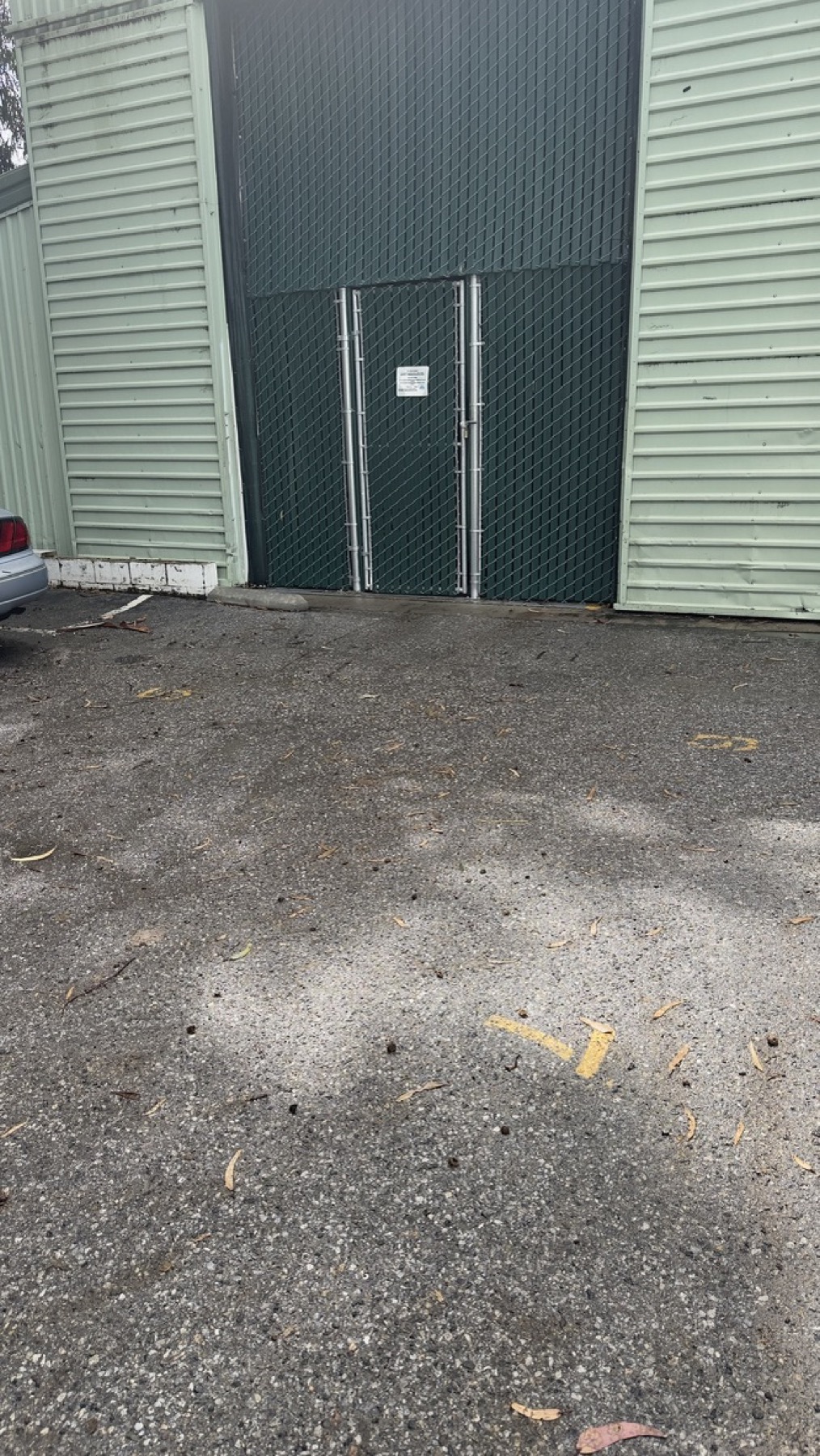
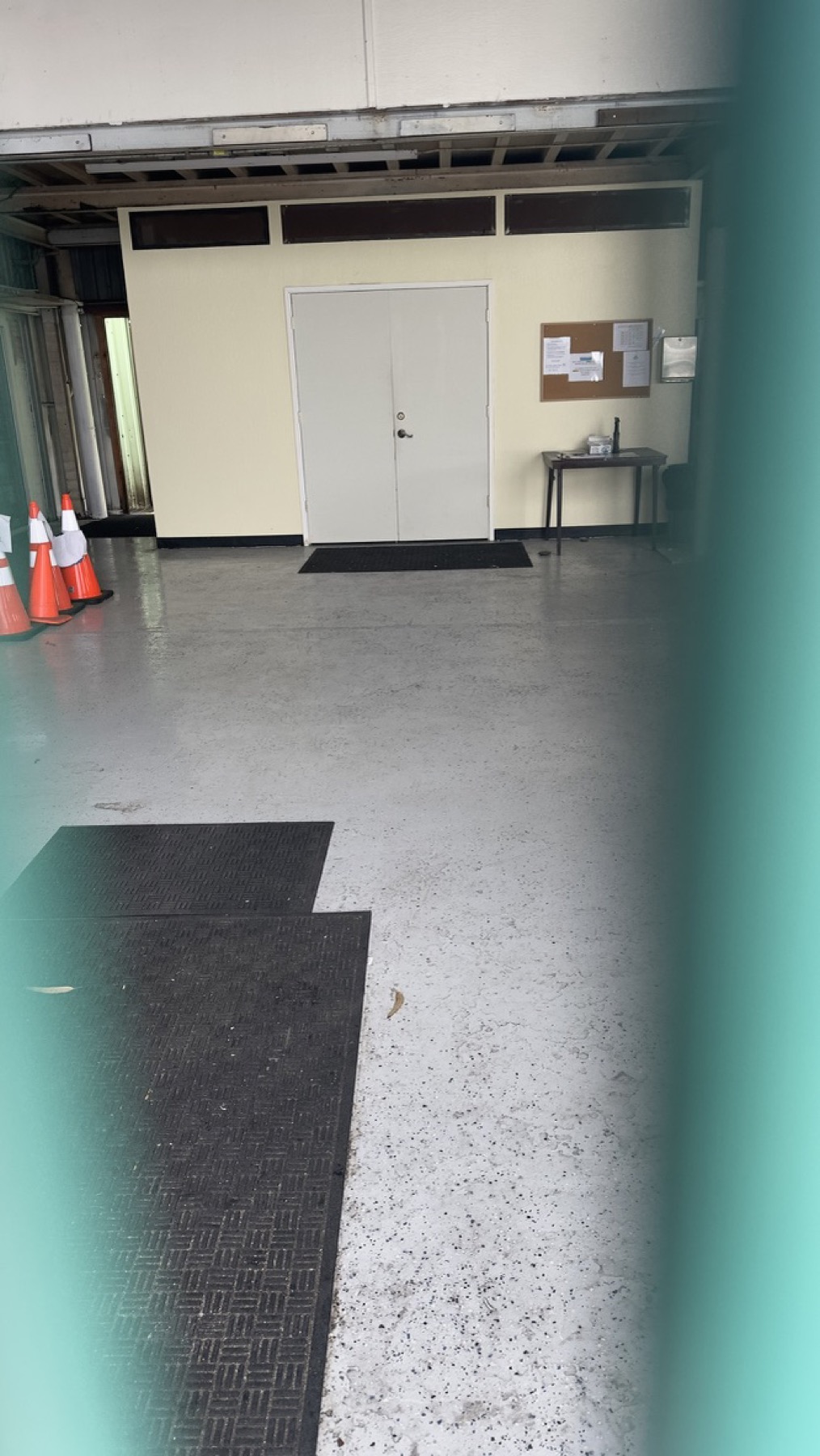
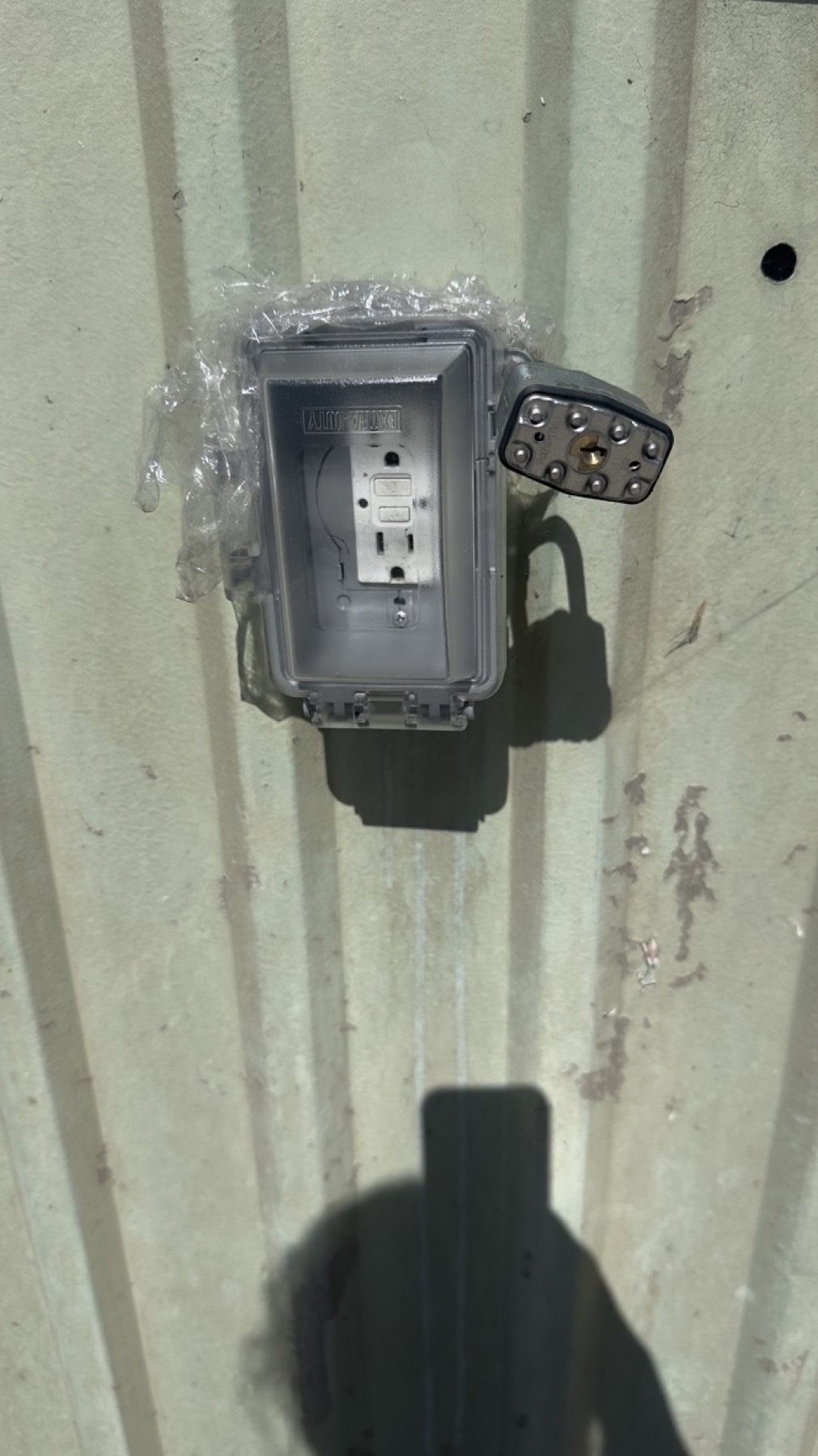
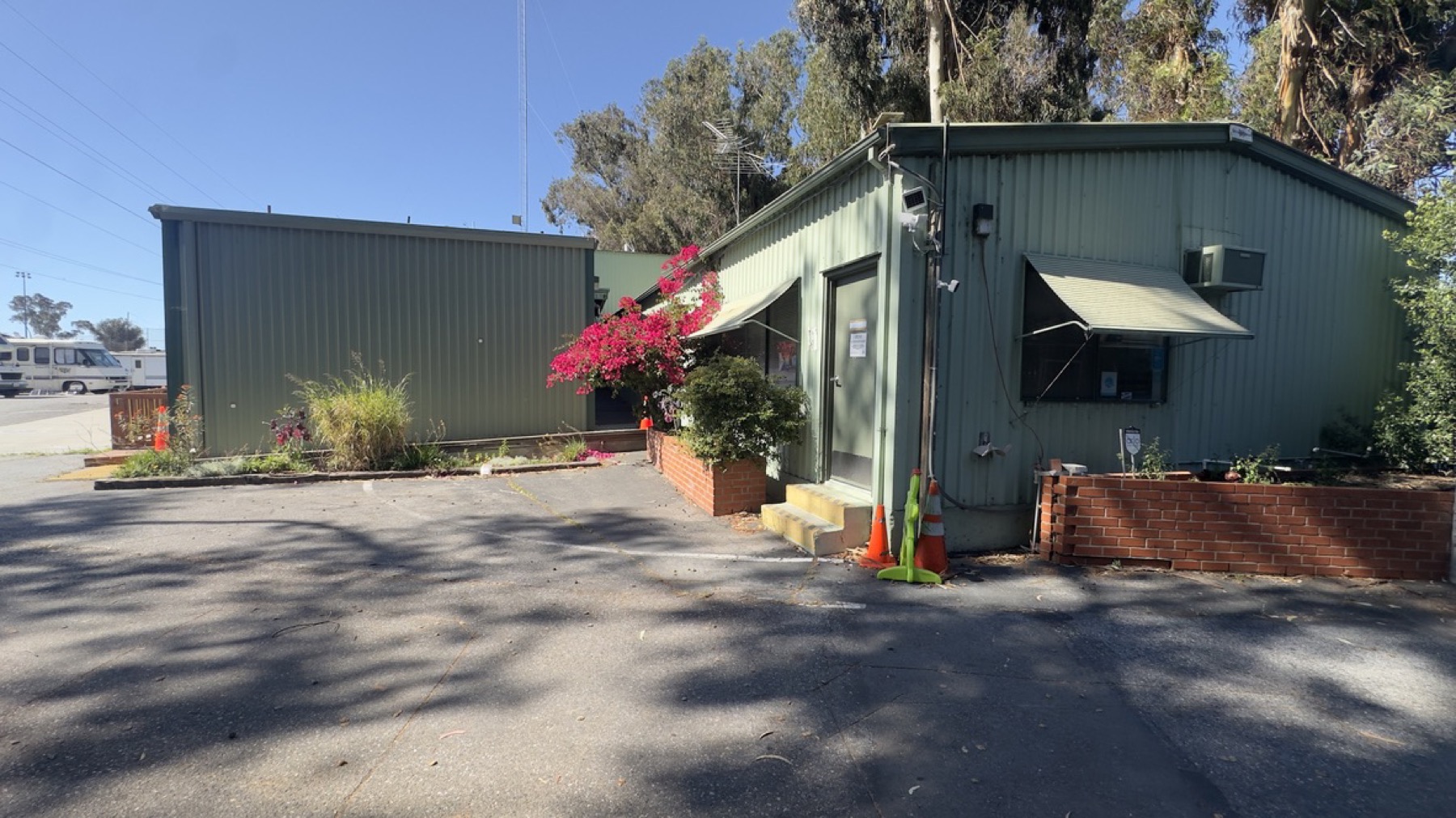
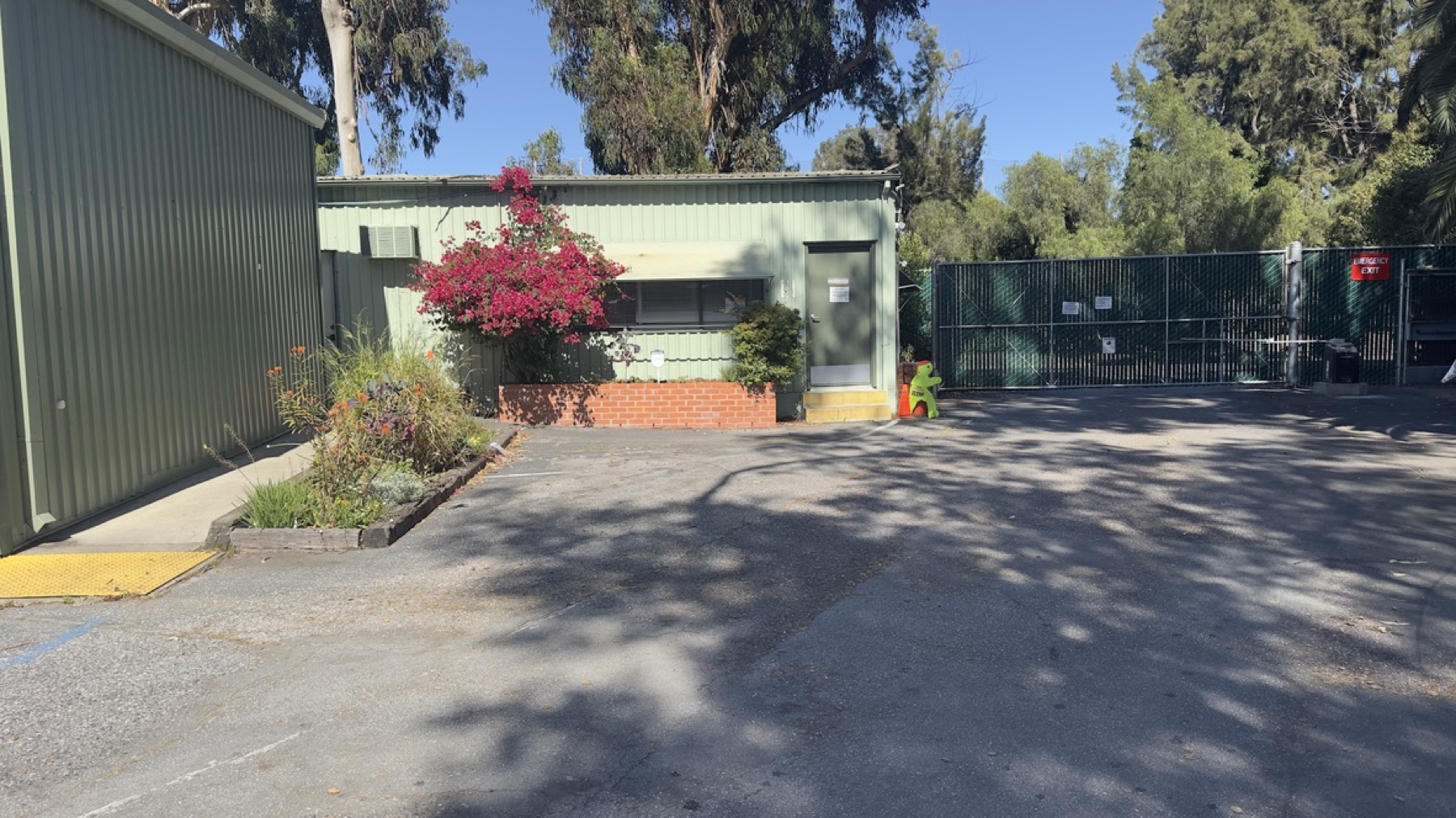
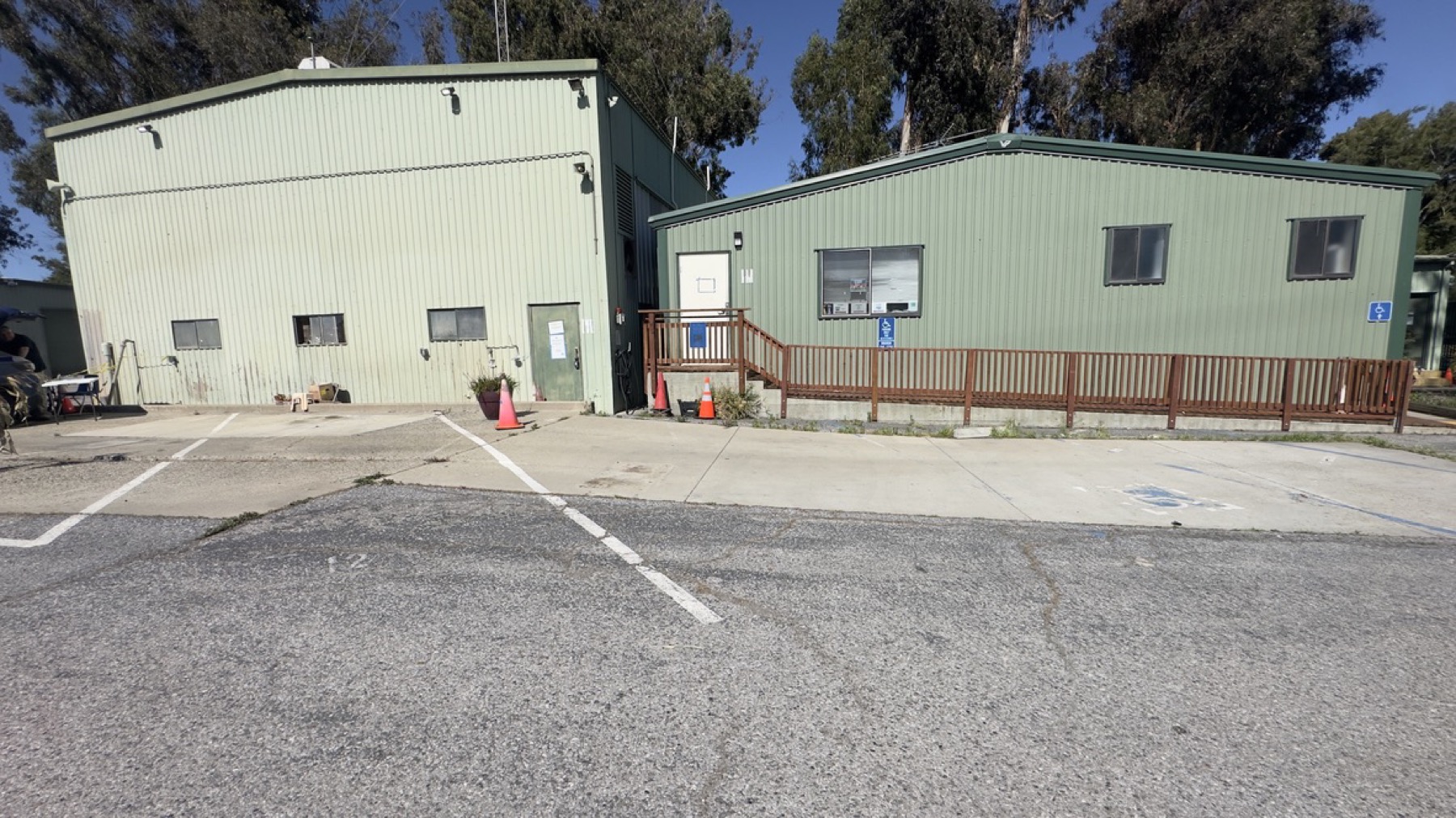
On May 13, 2026, the author photographed exterior and resident-facing areas of the Geng site, including an exterior wall outlet that residents say had been locked for months before being observed unlocked that day, plus multiple building, gate, yard, and access areas. According to residents interviewed by VINI News, staff left the site early that day without meaningful advance notice, and access to areas used for charging devices, food preparation, showers, laundry, and other basic services was unavailable or unreliable. VINI News has not yet obtained a response from Move Mountain View about the May 13 access allegations.
Residents now allege that access to resident-facing amenities has been restricted further, not stabilized. They said Saturday access to amenities and basic life-needs areas has effectively ended or become unavailable, Sunday access is closed, evening access is unavailable, and Monday-through-Friday access has been reduced further or remains unpredictable. The areas residents identified include showers, laundry, kitchen or food-preparation areas, charging, and related indoor spaces. VINI News is seeking written schedules, closure logs, resident notices, and policy records to verify the current operating rules and any recent changes.
Residents said charging access matters because phones and laptops are used for emergencies, family contact, housing searches, case-management communications, school, work, medical coordination, and other services. Residents also said lack of predictable shower, laundry, and kitchen access affects hygiene, food preparation, disability-related needs, school needs, work needs, and basic stability.
The author and other residents allege that questions, complaints, or requests for basic access have repeatedly been followed by new restrictions, closures, or reduced access rather than schedule clarity, problem solving, staff accountability, or staff training. They characterize that pattern as punitive or retaliatory. VINI News has not independently verified motive, decision-making chain, or causation, and is seeking response from Move Mountain View and the named individuals.
The author specifically alleges that access restrictions have often been recommended by Compliance Manager Eulisses Palma-Hernandez and later ratified by David Temple, Executive Director Amber Stime, or both, or were made directly by leadership. VINI News has not independently verified that decision chain and is seeking comment from each person named.
In recent incidents described to VINI News, residents said law enforcement assistance was sought after personal effects were locked in the laundry during a posted schedule that residents understood to show laundry open hours. Residents also said law enforcement assistance was later sought after staff did not adequately resolve another resident’s complaints and concerns. VINI News has not yet independently reviewed dispatch records, body-camera records, incident reports, or Move Mountain View’s internal records for those incidents.
One resident with disabilities told VINI News that unreliable access to showers and kitchen areas affected his ability to maintain basic hygiene and prepare food. A relative and resident also described medical-emergency incidents in which emergency responders or family transport were needed. VINI News is withholding the resident’s name and photograph pending explicit written consent and further verification of medical details.
Residents also described a room or children’s-library area associated with Saturday visits by Mrs. Love, but said the facility is often locked or operating on unreliable access schedules. VINI News has not independently verified how often the area is used or available.
May 22 towing update: abandoned trailers, one remaining RV, and notice questions
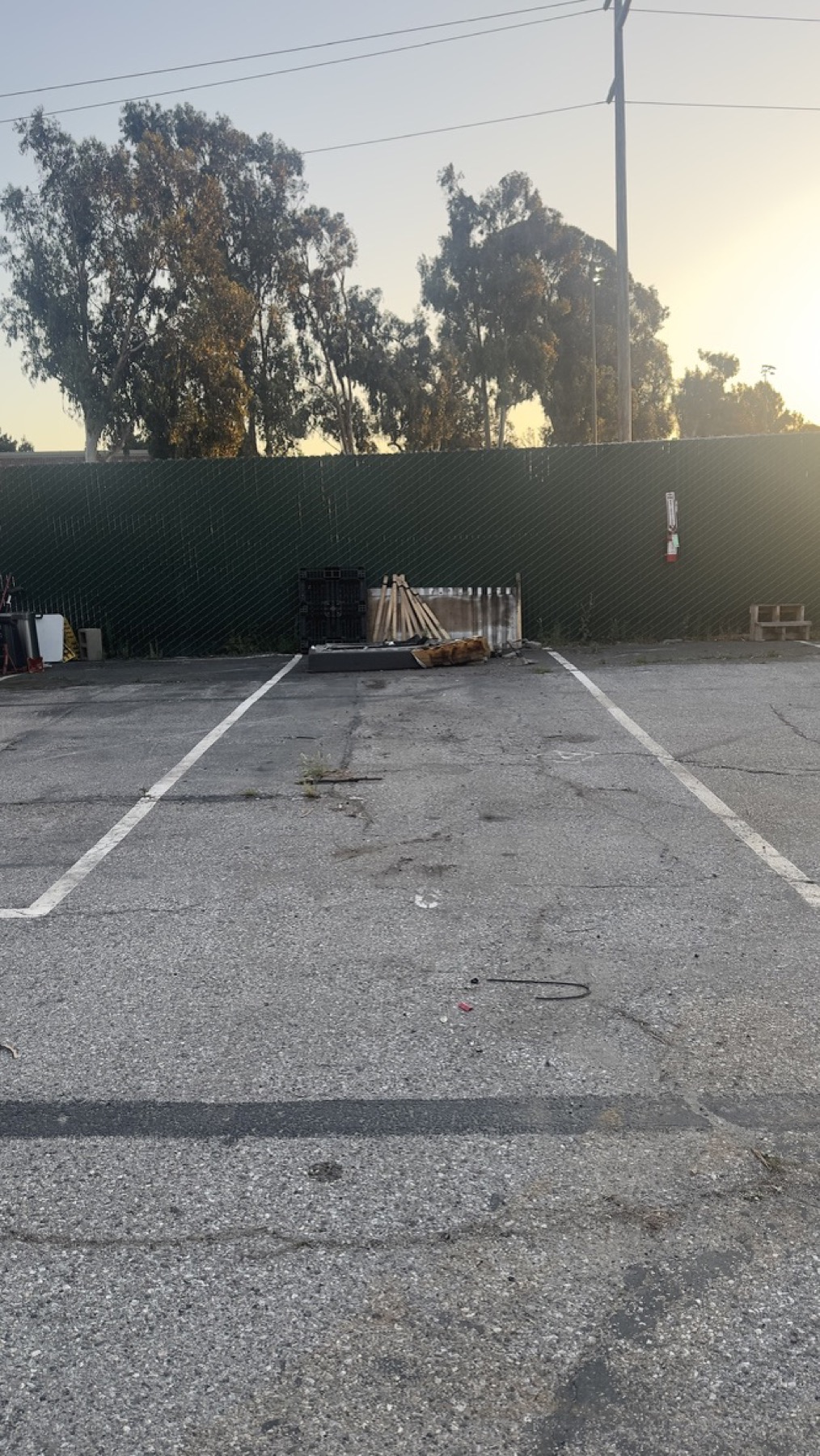
On May 22, 2026, residents told VINI News that two abandoned trailers were towed from the lot during the afternoon with law-enforcement presence. Residents said another RV, described as the one abandoned the longest and located near the No. 1 space, remained after the tow operation.
Three residents told VINI News, as an unverified allegation, that David Temple had taken over or controlled the remaining RV. VINI News has not verified that claim, it may be untrue, and the story will not treat ownership or control as fact unless supported by records, admission, or other reliable evidence. VINI News is seeking comment from Move Mountain View and the named individuals.
The remaining RV raises questions either way: if it is controlled by a Move Mountain View leader or staff member, why would it be parked in a safe-parking lot intended for residents; if it is controlled by Move Mountain View, what program purpose does it serve; and if neither is true, who owns or controls it, why is it unoccupied, and why was it not removed when other abandoned vehicles were towed?
VINI News also approached officers present at the lot. According to the author, an officer said that because the property is public or belongs to the City, Move Mountain View could have vehicles towed. VINI News is reviewing that statement against California and Mountain View towing rules because city ownership, operator management, program participation rules, and law-enforcement presence can affect what notice, authorization, records, and post-storage rights apply.
California Vehicle Code section 22669 allows a peace officer or designated public employee with reasonable grounds to believe a vehicle is abandoned to remove it from a highway or from public or private property. California Vehicle Code section 22523 prohibits abandoning a vehicle on a highway and also prohibits abandoning a vehicle on public or private property without the express or implied consent of the owner or person in lawful possession or control. Mountain View’s public parking page says vehicles parked in the same public-road location for more than 72 hours may be considered abandoned and towed, and its 72-hour rule also references publicly owned parking lots.
California Vehicle Code section 22658 separately governs many private-property tows, including signage, written authorization, law-enforcement notification, release, and storage-facility requirements. VINI News has not determined which authority was used for the May 22 tow operation. The legal and governance question is whether the tow was treated as abandoned-vehicle abatement, public-property enforcement, private-property/operator authorization, program-rule enforcement, or some combination.
These claims are being reviewed as part of a broader inquiry into whether Move Mountain View has written facility schedules, closure protocols, emergency-access procedures, disability-accommodation procedures, anti-retaliation safeguards, vehicle-control rules, towing procedures, and grievance processes that are available to residents and consistently followed.
Case management and exits: who has authority?
A separate concern involves case management and exit decisions.
MOVE publicly describes case management as a support function designed to help participants assess barriers, develop next steps, and access housing-related resources. Yet one disputed April 29, 2026 exit letter, described by the resident as signed by Case Management Supervisor Kevin Ashline, directed the resident to leave the safe-parking program by May 29, 2026.
The resident disputes the letter in full and alleges that it mischaracterizes housing plans, income discussions, rental interest, business-income efforts, and alleged failure to provide financial information.
The resident further alleges that the exit letter followed repeated complaints, disputed notices, records requests, disability-related concerns, and advocacy regarding facility access and staff conduct.
A text message attributed by the resident to her case manager, Avir, described the exit as a “final exit decision” and stated that “the county has facilitated this policy and asked us to move forward with this decision,” according to the resident. If accurate, that raises further questions: What county policy? Which county official? What written directive? What appeal or grievance process? What authority did Move Mountain View or its case-management personnel rely on?
The resident says those questions are being drafted for a prelitigation records demand and Board notice that has not yet been finalized or sent.
Disparate treatment concerns
The developing inquiry is also examining whether exit letters, exit dates, signatures, and case-management documentation are handled consistently across residents.
The resident alleges that her April 29 letter was signed, while at least one other resident’s exit-related letter appeared unsigned. She also alleges that another resident received a June exit date, while her letter imposed a May 29 deadline. These reports have not yet been independently verified, but they raise questions about whether exit timing, finality, signatures, cure periods, and appeals are governed by neutral written criteria.
A central question is whether residents who complain, request accommodations, dispute notices, ask for records, or challenge staff conduct are treated differently from those who do not.
Staff conduct and grievance access
The resident-led record also includes allegations concerning staff conduct, including claims that staff redirected questions to leadership rather than answering basic operational questions, refused to accept written disputes at the site office, locked office doors after questions were asked, and treated residents’ concerns as inconveniences rather than legitimate program issues.
In one documented account described by the resident, a staff member allegedly said the resident was “bitching about the same shit every day” and “should take responsibility for yourself.” In another account, the resident alleges that staff treated reasonable questions about site operations as improper “insinuation” rather than addressing the underlying transparency concerns.
These claims, if substantiated, would raise questions about training, supervision, staff boundaries, retaliation prevention, grievance intake, disability accommodation, and resident dignity.
Disability and accommodation concerns
The inquiry also includes disability-related concerns.
The resident alleges that she repeatedly raised disability-related needs and accommodation issues, including access to basic facilities, schedules, and functional supports, but that requests were not meaningfully processed through a clear written procedure.
The City’s safe-parking page says people with disabilities are among the program participation preferences for Mountain View’s safe-parking program. That makes the existence and operation of disability-accommodation procedures particularly important.
The questions now being raised include whether Move Mountain View has:
- a written ADA or disability accommodation process;
- accessible accommodation forms;
- a designated accommodation contact;
- response timelines;
- written reasons for approval, denial, modification, or delay;
- staff training on disability-related access.
Public funds and nonprofit accountability questions
The inquiry is also reviewing whether service-delivery records, public or charitable-funding records, outcome reporting, facility closure logs, case-management records, grievance logs, contract files, audit materials, and compliance certifications match representations made to public agencies, donors, partners, and residents.
No public records reviewed for this story establish fraud or misuse of funds. The issue at this stage is whether records are consistent, complete, and available for review where public services, public money, charitable assets, and vulnerable residents intersect.
Resident, staff, volunteer, and witness survey
VINI News has prepared a Move Mountain View Site Experience Survey for residents, former residents, staff, former staff, volunteers, contractors, and witnesses across Move Mountain View sites and lots.
English survey: Qualtrics form or short link.
Spanish survey: Qualtrics form or short link.
The survey asks about staff conduct, resident treatment, workplace and volunteer culture, leadership accountability, facility closures and basic-needs access, case management and exits, disability and accommodation issues, grievance access, parking, site safety, vehicle rules, what is working well, what should stop, what should continue, what should change, root causes, and practical solutions.
The form allows anonymous responses and separately allows respondents to choose whether their answers may be used for legal, Board, regulatory, journalistic, or public-interest purposes.
Anonymous responses may be used for pattern identification, issue development, and leads. Named responses may be used for follow-up, verification, declarations, regulatory complaints, litigation, or publication only according to the permissions selected.
How to follow and cite this story
This story is available at vini.news/stories/move-mountain-view-safe-parking-complaints and, for the global newsroom file, at vininews.com/stories/move-mountain-view-safe-parking-complaints.
Newsrooms, journalists, researchers, and crawlers may follow the VINI News public feeds at RSS, Atom, JSON Feed, news sitemap, and source wire. The global newsroom feeds are available at vininews.com/rss.xml, vininews.com/atom.xml, vininews.com/feed.json, and vininews.com/news-sitemap.xml.
Please cite and link to the canonical VINI story when referencing this reporting. VINI links to official and outside publisher sources as sources; third-party copyrighted articles should remain at their original publishers unless rights are cleared.
Why this matters
Safe parking is not merely a parking arrangement. The City describes it as a stability-oriented intervention for unhoused residents living in vehicles, intended to connect participants with services and support their transition toward stable housing. MOVE describes its own work as providing safe parking, housing-focused case management, and services to support clients toward housing goals.
If residents lack reliable access to basic services, if grievance pathways are unclear, if accommodation requests are not processed, if exit decisions are inconsistent, or if staff conduct discourages residents from raising concerns, the problem is not merely interpersonal. It becomes a governance issue.
Requests for comment and records
VINI News is seeking comment from Move Mountain View, its Board, Amber Stime, David Temple, Kevin Ashline, Eulisses Palma-Hernandez, Daniel Smith, Michael Love, Travis, Joseph, the City of Mountain View, Santa Clara County, and other involved public or partner entities.
Questions include:
- Who had authority to order, approve, or continue facility closures at the Geng site?
- Who had authority to issue, approve, or finalize exit letters?
- Are exit letters required to be signed?
- Do comparator exit letters exist, and if so do they show consistent signatures, exit dates, cure periods, and appeal language?
- What criteria determine exit dates, cure periods, and finality?
- What grievance and appeal process is available?
- What disability-accommodation process exists?
- What written schedules govern access to laundry, showers, kitchen, garage, library, charging, office, or indoor spaces?
- What records exist concerning facility closures or restricted basic-needs access?
- What staff training exists regarding resident dignity, de-escalation, accommodations, documentation, grievance handling, retaliation prevention, and professional boundaries?
- What review, if any, did leadership conduct after resident complaints were raised?
- What grants, contracts, city or county payments, reimbursements, compliance certifications, service-delivery reports, audits, corrective-action records, or charitable-funding records cover the Geng site and related safe-parking operations?
- Did any County policy, County official, or County communication direct or influence the April 29 exit decision?
- What staffing schedule, resident notice, or closure log exists for May 13, 2026?
- What current written schedule governs resident access to showers, laundry, kitchen or food-preparation areas, charging, office areas, indoor areas, and any children’s-library or family-facing room?
- Were Saturday, Sunday, evening, or Monday-through-Friday access hours recently reduced, ended, or changed, and if so when were residents notified?
- What policy governs access to outlets, charging, kitchen, shower, laundry, office, and indoor areas when staff leave early or facilities are locked?
- What emergency-access process exists when residents need charged phones or devices for medical, safety, housing, school, work, or service-provider communications?
- What records exist for recent law-enforcement responses or requests for assistance involving locked personal effects, laundry access, resident complaints, or facility-access disputes?
- What areas, if any, are designated for children, students, or families, and what records show when those areas are open and used?
- Who decided whether the exterior outlet and other resident charging points would be locked, unlocked, available, or unavailable, and what written policy governs those decisions?
- Were any access restrictions, closure decisions, or schedule reductions imposed after residents complained, asked questions, disputed notices, requested records, or raised disability-related concerns?
- What anti-retaliation policy, complaint-routing process, and leadership-review process applies when residents allege that access restrictions followed complaints or advocacy?
- Did Eulisses Palma-Hernandez, David Temple, Amber Stime, or any other leader recommend, approve, ratify, or direct recent access restrictions at the Geng site?
- Who authorized the May 22, 2026 towing of the two trailers, and under what legal authority?
- What notices, if any, were issued before the May 22 tow operation, and to whom?
- What law-enforcement, operator, city, county, or towing-company records identify the vehicles removed, the tow yard, the grounds for removal, and the authorizing person?
- Why did the RV near the No. 1 space remain when other abandoned vehicles were towed?
- Who owns, controls, stores, or uses the RV near the No. 1 space, and what records support that answer?
- Does Move Mountain View maintain a roster of authorized resident vehicles, nonresident vehicles, staff or organizational vehicles, abandoned vehicles, and vehicles pending removal?
- What grievance, appeal, or post-storage hearing process is available when a resident, owner, or legal owner disputes a tow from a city safe-parking lot?
Named people, agencies, and records
This file tracks public-record, verification, and right-of-reply questions involving Move Mountain View; the City of Mountain View; Santa Clara County; the Move Mountain View Board; Executive Director Amber Stime; David Temple; Case Management Supervisor Kevin Ashline; Compliance Manager Eulisses Palma-Hernandez; Daniel Smith; Michael Love; and staff members identified in resident accounts as Travis and Joseph. Inclusion in this section means the person or entity is named in reporting questions, resident accounts, public materials, records requests, or right-of-reply requests. It does not mean any allegation is established.
This is a developing story.
Photo file
Visual record
Author-provided photographs are published with visible captions, credits, rights notes, and metadata-disclosure notes where available.
Keep following
This file can keep developing
vininews.com uses reader tips, public records, right-of-reply requests, corrections, and follow-up reporting to keep important stories current.
Support and subscriptions never buy coverage, placement, suppression, or corrections.
Source links
- Safe Parking | Mountain View, CACity of Mountain View - date not listed
- MOVE Mountain View homepageMOVE Mountain View - date not listed
- MOVE Mountain View safe parkingMOVE Mountain View - date not listed
- MOVE Mountain View case managementMOVE Mountain View - date not listed
- MOVE Mountain View partner servicesMOVE Mountain View - date not listed
- State and Local Governments | ADA.govU.S. Department of Justice Civil Rights Division - date not listed
- Section 504 of the Rehabilitation Act of 1973U.S. Department of Health and Human Services - date not listed
- False Claims UnitCalifornia Department of Justice - date not listed
- CharitiesCalifornia Department of Justice - date not listed
- Move Mountain View Site Experience Survey - EnglishVINI News - 2026-05-07T06:30:00Z
- Move Mountain View Site Experience Survey - SpanishVINI News - 2026-05-07T06:30:00Z
- Parking and Towing | Mountain View, CACity of Mountain View - date not listed
- California Vehicle Code section 22523California Legislative Information - date not listed
- California Vehicle Code section 22669California Legislative Information - date not listed
- California Vehicle Code section 22658California Legislative Information - date not listed
- Code Enforcement Division | Mountain View, CACity of Mountain View - date not listed
Reader comments
Moderated discussion
Comments are open to authenticated approved accounts, screened for spam and abuse, and published only after newsroom moderation unless editors change the story control.
No approved comments yet.
Substantive, civil comments can be submitted by approved account holders.