Wire report
Like dinosaur eggs in the sand: the pterosaur museum built to thrive in the Gobi desert
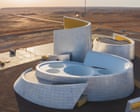
How architects worked with harsh environment to create sustainable building in location where fossils were found Viewed from afar, the silver-hued Hami Pterosaur Museum almost looks like a space base on Mars. Viewed from above, it resembles a collection of dinosaur eggs in the sand. Nestled in the Gobi desert, in north-west China, the new tourist attraction showcases hundreds of impressive fossils of pterosaurs, ancient flying reptiles related to dinosaurs. But far from reflecting its prehistoric exhibits, the building itself is a modern-day architectural specimen. Designed with underground exhibition halls, giant light funnels and sprawling solar farms, the museum is able to operate sustainably while withstanding an extremely harsh environment. Continue reading...
coverage / Wire report
Get updates, read source context, send useful records, share the story, or support the reporting work from the reading page.
How architects worked with harsh environment to create sustainable building in location where fossils were found Viewed from afar, the silver-hued Hami Pterosaur Museum almost looks like a space base on Mars. Viewed from above, it resembles a collection of dinosaur eggs in the sand. Nestled in the Gobi desert, in north-west China, the new tourist attraction showcases hundreds of impressive fossils of pterosaurs, ancient flying reptiles related to dinosaurs. But far from reflecting its prehistoric exhibits, the building itself is a modern-day architectural specimen. Designed with underground exhibition halls, giant light funnels and sprawling solar farms, the museum is able to operate sustainably while withstanding an extremely harsh environment. Continue reading...
Check the original link, updates, and responses when a detail is contested.
Open topic or search related wording such as records, sources, agencies, dates, and locations.
What happened
According to The Guardian’s source item, Like dinosaur eggs in the sand: the pterosaur museum built to thrive in the Gobi desert, How architects worked with harsh environment to create sustainable building in location where fossils were found Viewed from afar, the silver-hued Hami Pterosaur Museum almost looks like a space base on Mars. Viewed from above, it resembles a collection of dinosaur eggs in the sand. Nestled in the Gobi desert, in north-west China, the new tourist attraction showcases hundreds of impressive fossils of pterosaurs, ancient flying reptiles related to dinosaurs. But far from reflecting its prehistoric exhibits, the building itself is a modern-day architectural specimen. Designed with underground exhibition halls, giant light funnels and sprawling solar farms, the museum is able to operate sustainably while withstanding an extremely harsh environment. Continue reading…
Context
The development sits in VINI’s Culture file for readers following arts, entertainment, fashion, film, music, celebrity, and the business of culture. The original report is linked so readers can check the source account, follow later updates, and compare new coverage against the first published record. The source item is dated 2026-10-16T05:00:51+00:00.
What to watch
Open questions include whether primary sources issue follow-up statements, whether local or market impacts become clearer, and whether additional reporting changes the timeline or adds material context.
Source
Primary source: Like dinosaur eggs in the sand: the pterosaur museum built to thrive in the Gobi desert via The Guardian. VINI cites and links the source; it does not reproduce the publisher’s full article text without rights clearance.
Keep following
This file can keep developing
vininews.com uses reader tips, public records, right-of-reply requests, corrections, and follow-up reporting to keep important stories current.
Support and subscriptions never buy coverage, placement, suppression, or corrections.
This VINI report keeps the original publisher link available and does not republish third-party article bodies without rights clearance. 1 reference listed.
Source links
- Like dinosaur eggs in the sand: the pterosaur museum built to thrive in the Gobi desertThe Guardian - 2026-10-16T05:00:51+00:00
Reader comments
Moderated discussion
Comments are open to authenticated approved accounts, screened for spam and abuse, and published only after newsroom moderation unless editors change the story control.
No approved comments yet.
Substantive, civil comments can be submitted by approved account holders.