Wire report
Christopher Nolan’s Odyssey used occupied land as a film set. That feels like a betrayal | Mohamed Sleiman Labat
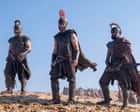
The decision to shoot in Moroccan-occupied Western Sahara, where the Indigenous people can’t tell their stories without fear of imprisonment, helps erase our own brutal journey • Peter Bradshaw’s five star review • A classicist’s verdict The simple act of holding a camera in my homeland of Western Sahara can be a crime. When Sahrawi film-makers and journalists attempt to document everyday life under Moroccan occupation, they can often end up in prison cells. For the Moroccan regime, a camera in the hands of a Sahrawi threatens its official narrative that Western Sahara is part of Morocco. In contrast, when celebrated international names in the film industry wish to capture an ideal picture for an epic journey, and decide that our land is exotic enough to shoot the desired scenes, they are welcomed, escorted and granted access by the same authorities that usually deny us that right. Conti
coverage / Wire report
Get updates, read source context, send useful records, share the story, or support the reporting work from the reading page.
The decision to shoot in Moroccan-occupied Western Sahara, where the Indigenous people can’t tell their stories without fear of imprisonment, helps erase our own brutal journey • Peter Bradshaw’s five star review • A classicist’s verdict The simple act of holding a camera in my homeland of Western Sahara can be a crime. When Sahrawi film-makers and journalists attempt to document everyday life under Moroccan occupation, they can often end up in prison cells. For the Moroccan regime, a camera in the hands of a Sahrawi threatens its official narrative that Western Sahara is part of Morocco. In contrast, when celebrated international names in the film industry wish to capture an ideal picture for an epic journey, and decide that our land is exotic enough to shoot the desired scenes, they are welcomed, escorted and granted access by the same authorities that usually deny us that right. Conti
Check the original link, updates, and responses when a detail is contested.
Open topic or search related wording such as records, sources, agencies, dates, and locations.
What happened
According to The Guardian’s linked report, Christopher Nolan’s Odyssey used occupied land as a film set. That feels like a betrayal | Mohamed Sleiman Labat, The decision to shoot in Moroccan-occupied Western Sahara, where the Indigenous people can’t tell their stories without fear of imprisonment, helps erase our own brutal journey • Peter Bradshaw’s five star review • A classicist’s verdict The simple act of holding a camera in my homeland of Western Sahara can be a crime. When Sahrawi film-makers and journalists attempt to document everyday life under Moroccan occupation, they can often end up in prison cells. For the Moroccan regime, a camera in the hands of a Sahrawi threatens its official narrative that Western Sahara is part of Morocco. In contrast, when celebrated international names in the film industry wish to capture an ideal picture for an epic journey, and decide that our land is exotic enough to shoot the desired scenes, they are welcomed, escorted and granted access by the same authorities that usually deny us that right. Conti
Context
The development sits in VINI’s Culture coverage for readers following arts, entertainment, fashion, film, music, celebrity, and the business of culture. The original report is linked so readers can check the source account, follow later updates, and compare new coverage against the first published record. The linked report is dated 2026-07-16T06:48:59+00:00.
What to watch
Open questions include whether primary sources issue follow-up statements, whether local or market impacts become clearer, and whether additional reporting changes the timeline or adds material context.
Source
Primary source: Christopher Nolan’s Odyssey used occupied land as a film set. That feels like a betrayal | Mohamed Sleiman Labat via The Guardian. VINI cites and links the source; it does not reproduce the publisher’s full article text without rights clearance.
Keep following
This file can keep developing
vininews.com uses reader tips, public records, right-of-reply requests, corrections, and follow-up reporting to keep important stories current.
Support and subscriptions never buy coverage, placement, suppression, or corrections.
This VINI report keeps the original publisher link available and does not republish third-party article bodies without rights clearance. 1 reference listed.
Source links
- Christopher Nolan’s Odyssey used occupied land as a film set. That feels like a betrayal | Mohamed Sleiman LabatThe Guardian - 2026-07-16T06:48:59+00:00
Reader comments
Moderated discussion
Comments are open to authenticated approved accounts, screened for spam and abuse, and published only after newsroom moderation unless editors change the story control.
No approved comments yet.
Substantive, civil comments can be submitted by approved account holders.