Wire report
Tech to Replace Animal Testing Is Almost Ready. Scientists Are Not
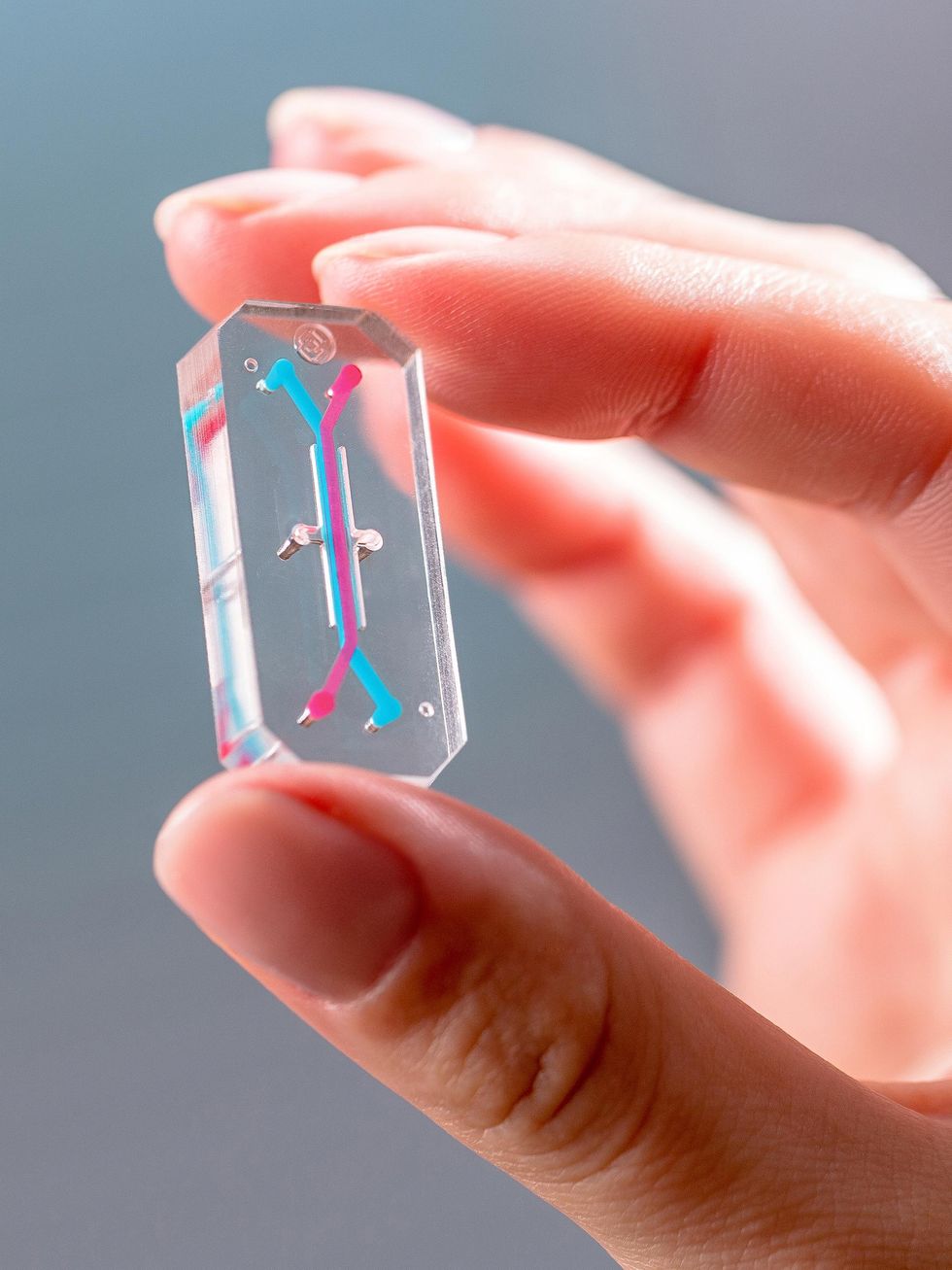
Seventeen years ago, cell biologist Donald Ingber and his colleagues at Harvard University’s Wyss Institute for Biologically Inspired Engineering submitted a paper to the journal Science describing their model human lung. It was smaller than a USB stick and made of a clear polymer slab containing narrow channels, which were lined with the type of cells that line a lung’s air sacs and blood vessels. When air was pumped through hollow chambers beside the channels, the device rhythmically expanded and contracted—it “breathed.” This lifelike movement was a dramatic change from previous generations of lung models, which typically used static cultures of lung tissue that were unable to simulate the movements essential to lung function. When exposed to inflammatory proteins and bacteria, Ingber’s artificial lung reacted much as living lungs would. And exposure to silica nanoparticles used to mo
coverage / Wire report
Get updates, read source context, send useful records, share the story, or support the reporting work from the reading page.
Seventeen years ago, cell biologist Donald Ingber and his colleagues at Harvard University’s Wyss Institute for Biologically Inspired Engineering submitted a paper to the journal Science describing their model human lung. It was smaller than a USB stick and made of a clear polymer slab containing narrow channels, which were lined with the type of cells that line a lung’s air sacs and blood vessels. When air was pumped through hollow chambers beside the channels, the device rhythmically expanded and contracted—it “breathed.” This lifelike movement was a dramatic change from previous generations of lung models, which typically used static cultures of lung tissue that were unable to simulate the movements essential to lung function. When exposed to inflammatory proteins and bacteria, Ingber’s artificial lung reacted much as living lungs would. And exposure to silica nanoparticles used to mo
Check the original link, updates, and responses when a detail is contested.
Open topic or search related wording such as records, sources, agencies, dates, and locations.
What happened
According to IEEE Spectrum’s source item, Tech to Replace Animal Testing Is Almost Ready. Scientists Are Not, Seventeen years ago, cell biologist Donald Ingber and his colleagues at Harvard University’s Wyss Institute for Biologically Inspired Engineering submitted a paper to the journal Science describing their model human lung. It was smaller than a USB stick and made of a clear polymer slab containing narrow channels, which were lined with the type of cells that line a lung’s air sacs and blood vessels. When air was pumped through hollow chambers beside the channels, the device rhythmically expanded and contracted—it “breathed.” This lifelike movement was a dramatic change from previous generations of lung models, which typically used static cultures of lung tissue that were unable to simulate the movements essential to lung function. When exposed to inflammatory proteins and bacteria, Ingber’s artificial lung reacted much as living lungs would. And exposure to silica nanoparticles used to mo
Context
The development sits in VINI’s Technology file for readers following technology, science, product policy, markets, infrastructure, and the public consequences of innovation. The original report is linked so readers can check the source account, follow later updates, and compare new coverage against the first published record. The source item is dated 2026-09-29T13:00:02+00:00.
What to watch
Open questions include whether primary sources issue follow-up statements, whether local or market impacts become clearer, and whether additional reporting changes the timeline or adds material context.
Source
Primary source: Tech to Replace Animal Testing Is Almost Ready. Scientists Are Not via IEEE Spectrum. VINI cites and links the source; it does not reproduce the publisher’s full article text without rights clearance.
Keep following
This file can keep developing
vininews.com uses reader tips, public records, right-of-reply requests, corrections, and follow-up reporting to keep important stories current.
Support and subscriptions never buy coverage, placement, suppression, or corrections.
This VINI report keeps the original publisher link available and does not republish third-party article bodies without rights clearance. 1 reference listed.
Source links
- Tech to Replace Animal Testing Is Almost Ready. Scientists Are NotIEEE Spectrum - 2026-09-29T13:00:02+00:00
Reader comments
Moderated discussion
Comments are open to authenticated approved accounts, screened for spam and abuse, and published only after newsroom moderation unless editors change the story control.
No approved comments yet.
Substantive, civil comments can be submitted by approved account holders.