Wire report
Our Bodies Have Been Bridges review – riveting portraits and the story of the first woman on Earth
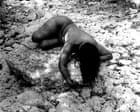
Autograph, London The three-person headline show looking at South American feminism is displayed alongside Charan Singh: Your Tongue in My Mouth, an intimate study of Indian trans communities In the 1990s, the late Chicana artist Laura Aguilar was living with depression. A friend took her on a road trip to New Mexico, where Aguilar made some nude self-portraits in the mystical landscapes. Those photographs evolved into a pivotal series shot in desert environments across the American south-west, Aguilar’s notable 1996 Nature Self-Portrait – considered an early work of intersectional feminist art, before the word had entered academic discourse. London gallery Autograph first worked on an exhibition of Aguilar’s in 1997, the year after she made Nature Self-Portrait, so this is something of a homecoming, a generation on. Aguilar’s contours, folds, and crevices sometimes disappear into the ba
coverage / Wire report
Get updates, read source context, send useful records, share the story, or support the reporting work from the reading page.
Autograph, London The three-person headline show looking at South American feminism is displayed alongside Charan Singh: Your Tongue in My Mouth, an intimate study of Indian trans communities In the 1990s, the late Chicana artist Laura Aguilar was living with depression. A friend took her on a road trip to New Mexico, where Aguilar made some nude self-portraits in the mystical landscapes. Those photographs evolved into a pivotal series shot in desert environments across the American south-west, Aguilar’s notable 1996 Nature Self-Portrait – considered an early work of intersectional feminist art, before the word had entered academic discourse. London gallery Autograph first worked on an exhibition of Aguilar’s in 1997, the year after she made Nature Self-Portrait, so this is something of a homecoming, a generation on. Aguilar’s contours, folds, and crevices sometimes disappear into the ba
Check the original link, updates, and responses when a detail is contested.
Open topic or search related wording such as records, sources, agencies, dates, and locations.
What happened
According to The Guardian’s source item, Our Bodies Have Been Bridges review – riveting portraits and the story of the first woman on Earth, Autograph, London The three-person headline show looking at South American feminism is displayed alongside Charan Singh: Your Tongue in My Mouth, an intimate study of Indian trans communities In the 1990s, the late Chicana artist Laura Aguilar was living with depression. A friend took her on a road trip to New Mexico, where Aguilar made some nude self-portraits in the mystical landscapes. Those photographs evolved into a pivotal series shot in desert environments across the American south-west, Aguilar’s notable 1996 Nature Self-Portrait – considered an early work of intersectional feminist art, before the word had entered academic discourse. London gallery Autograph first worked on an exhibition of Aguilar’s in 1997, the year after she made Nature Self-Portrait, so this is something of a homecoming, a generation on. Aguilar’s contours, folds, and crevices sometimes disappear into the ba
Context
The development sits in VINI’s Technology file for readers following technology, science, product policy, markets, infrastructure, and the public consequences of innovation. The original report is linked so readers can check the source account, follow later updates, and compare new coverage against the first published record. The source item is dated 2026-10-13T11:12:58+00:00.
What to watch
Open questions include whether primary sources issue follow-up statements, whether local or market impacts become clearer, and whether additional reporting changes the timeline or adds material context.
Source
Primary source: Our Bodies Have Been Bridges review – riveting portraits and the story of the first woman on Earth via The Guardian. VINI cites and links the source; it does not reproduce the publisher’s full article text without rights clearance.
Keep following
This file can keep developing
vininews.com uses reader tips, public records, right-of-reply requests, corrections, and follow-up reporting to keep important stories current.
Support and subscriptions never buy coverage, placement, suppression, or corrections.
This VINI report keeps the original publisher link available and does not republish third-party article bodies without rights clearance. 1 reference listed.
Source links
- Our Bodies Have Been Bridges review – riveting portraits and the story of the first woman on EarthThe Guardian - 2026-10-13T11:12:58+00:00
Reader comments
Moderated discussion
Comments are open to authenticated approved accounts, screened for spam and abuse, and published only after newsroom moderation unless editors change the story control.
No approved comments yet.
Substantive, civil comments can be submitted by approved account holders.