Wire report
Nasa telescope launched in 2004 to plunge back to Earth after failed rescue mission
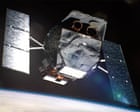
Neil Gehrels Swift Observatory is expected to re-enter Earth’s atmosphere Wednesday, burning up in the process Nasa ’s Neil Gehrels Swift Observatory, which has spent two decades studying the most powerful explosions in the cosmos, is expected to re-enter the Earth’s atmosphere on Wednesday, burning up in the process. The satellite, which was designed to operate with its three telescopes for just two years, is no longer able to steer or observe, and its re-entry is uncontrolled. Continue reading...
coverage / Wire report
Get updates, read source context, send useful records, share the story, or support the reporting work from the reading page.
Neil Gehrels Swift Observatory is expected to re-enter Earth’s atmosphere Wednesday, burning up in the process Nasa ’s Neil Gehrels Swift Observatory, which has spent two decades studying the most powerful explosions in the cosmos, is expected to re-enter the Earth’s atmosphere on Wednesday, burning up in the process. The satellite, which was designed to operate with its three telescopes for just two years, is no longer able to steer or observe, and its re-entry is uncontrolled. Continue reading...
Check the original link, updates, and responses when a detail is contested.
Open topic or search related wording such as records, sources, agencies, dates, and locations.
What happened
According to The Guardian’s source item, Nasa telescope launched in 2004 to plunge back to Earth after failed rescue mission, Neil Gehrels Swift Observatory is expected to re-enter Earth’s atmosphere Wednesday, burning up in the process Nasa ’s Neil Gehrels Swift Observatory, which has spent two decades studying the most powerful explosions in the cosmos, is expected to re-enter the Earth’s atmosphere on Wednesday, burning up in the process. The satellite, which was designed to operate with its three telescopes for just two years, is no longer able to steer or observe, and its re-entry is uncontrolled. Continue reading…
Context
The development sits in VINI’s Technology file for readers following technology, science, product policy, markets, infrastructure, and the public consequences of innovation. The original report is linked so readers can check the source account, follow later updates, and compare new coverage against the first published record. The source item is dated 2026-11-03T19:50:27+00:00.
What to watch
Open questions include whether primary sources issue follow-up statements, whether local or market impacts become clearer, and whether additional reporting changes the timeline or adds material context.
Source
Primary source: Nasa telescope launched in 2004 to plunge back to Earth after failed rescue mission via The Guardian. VINI cites and links the source; it does not reproduce the publisher’s full article text without rights clearance.
Keep following
This file can keep developing
vininews.com uses reader tips, public records, right-of-reply requests, corrections, and follow-up reporting to keep important stories current.
Support and subscriptions never buy coverage, placement, suppression, or corrections.
This VINI report keeps the original publisher link available and does not republish third-party article bodies without rights clearance. 1 reference listed.
Source links
- Nasa telescope launched in 2004 to plunge back to Earth after failed rescue missionThe Guardian - 2026-11-03T19:50:27+00:00
Reader comments
Moderated discussion
Comments are open to authenticated approved accounts, screened for spam and abuse, and published only after newsroom moderation unless editors change the story control.
No approved comments yet.
Substantive, civil comments can be submitted by approved account holders.