Wire report
Ian Berry obituary
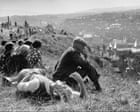
Photojournalist whose arresting images captured human disaster from Vietnam to Aberfan, and most notably in apartheid South Africa On 21 March 1960, a crowd gathered outside a police station in a Transvaal township, part of a nationwide protest against apartheid pass laws used to control where black South Africans could live, work and travel. A young British photojournalist pushed his way to the front and took a few pictures of police across the fence who were standing atop their armoured personnel carriers. With nothing much happening, he turned back and headed for his car. Then – without warning – there was the sound of heavy gunfire. The photographer, Ian Berry, who has died aged 92, captured images of the carnage, which soon became known around the world as the Sharpeville massacre . Dozens of demonstrators were killed, many shot in the back as they fled, and hundreds were injured in
coverage / Wire report
Get updates, read source context, send useful records, share the story, or support the reporting work from the reading page.
Photojournalist whose arresting images captured human disaster from Vietnam to Aberfan, and most notably in apartheid South Africa On 21 March 1960, a crowd gathered outside a police station in a Transvaal township, part of a nationwide protest against apartheid pass laws used to control where black South Africans could live, work and travel. A young British photojournalist pushed his way to the front and took a few pictures of police across the fence who were standing atop their armoured personnel carriers. With nothing much happening, he turned back and headed for his car. Then – without warning – there was the sound of heavy gunfire. The photographer, Ian Berry, who has died aged 92, captured images of the carnage, which soon became known around the world as the Sharpeville massacre . Dozens of demonstrators were killed, many shot in the back as they fled, and hundreds were injured in
Check the original link, updates, and responses when a detail is contested.
Open topic or search related wording such as records, sources, agencies, dates, and locations.
What happened
According to The Guardian’s source item, Ian Berry obituary, Photojournalist whose arresting images captured human disaster from Vietnam to Aberfan, and most notably in apartheid South Africa On 21 March 1960, a crowd gathered outside a police station in a Transvaal township, part of a nationwide protest against apartheid pass laws used to control where black South Africans could live, work and travel. A young British photojournalist pushed his way to the front and took a few pictures of police across the fence who were standing atop their armoured personnel carriers. With nothing much happening, he turned back and headed for his car. Then – without warning – there was the sound of heavy gunfire. The photographer, Ian Berry, who has died aged 92, captured images of the carnage, which soon became known around the world as the Sharpeville massacre . Dozens of demonstrators were killed, many shot in the back as they fled, and hundreds were injured in
Context
The development sits in VINI’s Culture file for readers following arts, entertainment, fashion, film, music, celebrity, and the business of culture. The original report is linked so readers can check the source account, follow later updates, and compare new coverage against the first published record. The source item is dated 2026-10-11T16:11:16+00:00.
What to watch
Open questions include whether primary sources issue follow-up statements, whether local or market impacts become clearer, and whether additional reporting changes the timeline or adds material context.
Source
Primary source: Ian Berry obituary via The Guardian. VINI cites and links the source; it does not reproduce the publisher’s full article text without rights clearance.
Keep following
This file can keep developing
vininews.com uses reader tips, public records, right-of-reply requests, corrections, and follow-up reporting to keep important stories current.
Support and subscriptions never buy coverage, placement, suppression, or corrections.
This VINI report keeps the original publisher link available and does not republish third-party article bodies without rights clearance. 1 reference listed.
Source links
- Ian Berry obituaryThe Guardian - 2026-10-11T16:11:16+00:00
Reader comments
Moderated discussion
Comments are open to authenticated approved accounts, screened for spam and abuse, and published only after newsroom moderation unless editors change the story control.
No approved comments yet.
Substantive, civil comments can be submitted by approved account holders.