Wire report
‘Fighting an impossible fight is the only way to reclaim dignity’: Lee Chang-dong on class warfare and his searing Oscar contender
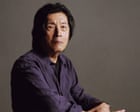
The auteur’s new film – a study of labour, capital and the fallout of redundancy – won the grand jury prize at Venice. Telling tales of the disenfranchised is ‘our moral responsibility’, he says A quintessential 21st-century horror story: a private equity firm has set its sights on your company. That’s the premise behind director Lee Chang-dong’s new film, Possible Love, and the idea for it first came more than a decade ago, when mass layoffs resulted in a standoff that “fundamentally changed the Korean labour movement”. In 2009, workers at Ssangyong Motors company protested against plans to lay off between 37 and 43% of the workforce, staging a historic 77-day strike and occupation of the factory that was eventually broken up by riot police. “Until that point in time in Korea, labourers’ rights were widely accepted,” Lee says, speaking through an interpreter in a central Londo
coverage / Wire report
Get updates, read source context, send useful records, share the story, or support the reporting work from the reading page.
The auteur’s new film – a study of labour, capital and the fallout of redundancy – won the grand jury prize at Venice. Telling tales of the disenfranchised is ‘our moral responsibility’, he says A quintessential 21st-century horror story: a private equity firm has set its sights on your company. That’s the premise behind director Lee Chang-dong’s new film, Possible Love, and the idea for it first came more than a decade ago, when mass layoffs resulted in a standoff that “fundamentally changed the Korean labour movement”. In 2009, workers at Ssangyong Motors company protested against plans to lay off between 37 and 43% of the workforce, staging a historic 77-day strike and occupation of the factory that was eventually broken up by riot police. “Until that point in time in Korea, labourers’ rights were widely accepted,” Lee says, speaking through an interpreter in a central Londo
Check the original link, updates, and responses when a detail is contested.
Open topic or search related wording such as records, sources, agencies, dates, and locations.
What happened
According to The Guardian’s source item, ‘Fighting an impossible fight is the only way to reclaim dignity’: Lee Chang-dong on class warfare and his searing Oscar contender, The auteur’s new film – a study of labour, capital and the fallout of redundancy – won the grand jury prize at Venice. Telling tales of the disenfranchised is ‘our moral responsibility’, he says A quintessential 21st-century horror story: a private equity firm has set its sights on your company. That’s the premise behind director Lee Chang-dong’s new film, Possible Love, and the idea for it first came more than a decade ago, when mass layoffs resulted in a standoff that “fundamentally changed the Korean labour movement”. In 2009, workers at Ssangyong Motors company protested against plans to lay off between 37 and 43% of the workforce, staging a historic 77-day strike and occupation of the factory that was eventually broken up by riot police. “Until that point in time in Korea, labourers’ rights were widely accepted,” Lee says, speaking through an interpreter in a central Londo
Context
The development sits in VINI’s Technology file for readers following technology, science, product policy, markets, infrastructure, and the public consequences of innovation. The original report is linked so readers can check the source account, follow later updates, and compare new coverage against the first published record. The source item is dated 2026-10-23T12:00:25+00:00.
What to watch
Open questions include whether primary sources issue follow-up statements, whether local or market impacts become clearer, and whether additional reporting changes the timeline or adds material context.
Source
Primary source: ‘Fighting an impossible fight is the only way to reclaim dignity’: Lee Chang-dong on class warfare and his searing Oscar contender via The Guardian. VINI cites and links the source; it does not reproduce the publisher’s full article text without rights clearance.
Keep following
This file can keep developing
vininews.com uses reader tips, public records, right-of-reply requests, corrections, and follow-up reporting to keep important stories current.
Support and subscriptions never buy coverage, placement, suppression, or corrections.
This VINI report keeps the original publisher link available and does not republish third-party article bodies without rights clearance. 1 reference listed.
Source links
- ‘Fighting an impossible fight is the only way to reclaim dignity’: Lee Chang-dong on class warfare and his searing Oscar contenderThe Guardian - 2026-10-23T12:00:25+00:00
Reader comments
Moderated discussion
Comments are open to authenticated approved accounts, screened for spam and abuse, and published only after newsroom moderation unless editors change the story control.
No approved comments yet.
Substantive, civil comments can be submitted by approved account holders.