Wire report
Edge Control: the art exhibition using hidden camera images to explore race and beauty
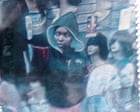
Artist Deana Lawson uses beauty supply store surveillance images to analyze power and personhood in her exhibition at the Gagosian in New York City In her essay The Oppositional Gaze: Black Female Spectators, writer and philosopher bell hooks explains that the relationship between Black people and the act of “looking” has been traumatic since slavery. Black people, many of whom are still subject to the constant surveillance that originated during enslavement, have historically been punished with severe consequences, such as lynching, for looking back at those who subjugate them. Despite these risks, hooks writes, they rebelled by secretly looking at white people, as well as their surroundings, rejecting the white gaze as the singular framework of reality. We can, as bell hooks writes, “interrogate the gaze of the Other but also look back, and at one another, naming what we see”. I though
coverage / Wire report
Get updates, read source context, send useful records, share the story, or support the reporting work from the reading page.
Artist Deana Lawson uses beauty supply store surveillance images to analyze power and personhood in her exhibition at the Gagosian in New York City In her essay The Oppositional Gaze: Black Female Spectators, writer and philosopher bell hooks explains that the relationship between Black people and the act of “looking” has been traumatic since slavery. Black people, many of whom are still subject to the constant surveillance that originated during enslavement, have historically been punished with severe consequences, such as lynching, for looking back at those who subjugate them. Despite these risks, hooks writes, they rebelled by secretly looking at white people, as well as their surroundings, rejecting the white gaze as the singular framework of reality. We can, as bell hooks writes, “interrogate the gaze of the Other but also look back, and at one another, naming what we see”. I though
Check the original link, updates, and responses when a detail is contested.
Open topic or search related wording such as records, sources, agencies, dates, and locations.
What happened
According to The Guardian’s source item, Edge Control: the art exhibition using hidden camera images to explore race and beauty, Artist Deana Lawson uses beauty supply store surveillance images to analyze power and personhood in her exhibition at the Gagosian in New York City In her essay The Oppositional Gaze: Black Female Spectators, writer and philosopher bell hooks explains that the relationship between Black people and the act of “looking” has been traumatic since slavery. Black people, many of whom are still subject to the constant surveillance that originated during enslavement, have historically been punished with severe consequences, such as lynching, for looking back at those who subjugate them. Despite these risks, hooks writes, they rebelled by secretly looking at white people, as well as their surroundings, rejecting the white gaze as the singular framework of reality. We can, as bell hooks writes, “interrogate the gaze of the Other but also look back, and at one another, naming what we see”. I though
Context
The development sits in VINI’s Culture file for readers following arts, entertainment, fashion, film, music, celebrity, and the business of culture. The original report is linked so readers can check the source account, follow later updates, and compare new coverage against the first published record. The source item is dated 2026-10-10T12:00:57+00:00.
What to watch
Open questions include whether primary sources issue follow-up statements, whether local or market impacts become clearer, and whether additional reporting changes the timeline or adds material context.
Source
Primary source: Edge Control: the art exhibition using hidden camera images to explore race and beauty via The Guardian. VINI cites and links the source; it does not reproduce the publisher’s full article text without rights clearance.
Keep following
This file can keep developing
vininews.com uses reader tips, public records, right-of-reply requests, corrections, and follow-up reporting to keep important stories current.
Support and subscriptions never buy coverage, placement, suppression, or corrections.
This VINI report keeps the original publisher link available and does not republish third-party article bodies without rights clearance. 1 reference listed.
Source links
- Edge Control: the art exhibition using hidden camera images to explore race and beautyThe Guardian - 2026-10-10T12:00:57+00:00
Reader comments
Moderated discussion
Comments are open to authenticated approved accounts, screened for spam and abuse, and published only after newsroom moderation unless editors change the story control.
No approved comments yet.
Substantive, civil comments can be submitted by approved account holders.