Wire report
A Fidai Film review – Palestinian collage film transforms suppressed footage into works of art
Using archive material of destroyed houses, terrorised children and dead bodies, Kamal Aljafari adds humanity to the reels by overlaying poems by Palestinian authors In Arabic, “fidai” means someone willing to sacrifice themselves for the greater good. Borrowing this word, which is at times used in a military context, for his collage film, Palestinian film-maker Kamal Aljafari stages a potent uprising of images against the tide of propaganda and historical erasure. Much of the film draws on archive materials once housed in the Palestine Research Centre in Beirut. In 1982, during the Lebanese civil war, Israeli forces raided the centre and seized the archive. Most of these documents on Palestinian history – books, newspapers, audiovisual artefacts – are believed to still be in the hands of the Israeli army. Obtained through clandestine means, the footage that resurfaces in Aljafari’s film
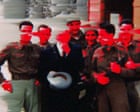
coverage / Wire report
Get updates, read source context, send useful records, share the story, or support the reporting work from the reading page.
Using archive material of destroyed houses, terrorised children and dead bodies, Kamal Aljafari adds humanity to the reels by overlaying poems by Palestinian authors In Arabic, “fidai” means someone willing to sacrifice themselves for the greater good. Borrowing this word, which is at times used in a military context, for his collage film, Palestinian film-maker Kamal Aljafari stages a potent uprising of images against the tide of propaganda and historical erasure. Much of the film draws on archive materials once housed in the Palestine Research Centre in Beirut. In 1982, during the Lebanese civil war, Israeli forces raided the centre and seized the archive. Most of these documents on Palestinian history – books, newspapers, audiovisual artefacts – are believed to still be in the hands of the Israeli army. Obtained through clandestine means, the footage that resurfaces in Aljafari’s film
Check the original link, updates, and responses when a detail is contested.
Open topic or search related wording such as records, sources, agencies, dates, and locations.
What happened
According to The Guardian’s source item, A Fidai Film review – Palestinian collage film transforms suppressed footage into works of art, Using archive material of destroyed houses, terrorised children and dead bodies, Kamal Aljafari adds humanity to the reels by overlaying poems by Palestinian authors In Arabic, “fidai” means someone willing to sacrifice themselves for the greater good. Borrowing this word, which is at times used in a military context, for his collage film, Palestinian film-maker Kamal Aljafari stages a potent uprising of images against the tide of propaganda and historical erasure. Much of the film draws on archive materials once housed in the Palestine Research Centre in Beirut. In 1982, during the Lebanese civil war, Israeli forces raided the centre and seized the archive. Most of these documents on Palestinian history – books, newspapers, audiovisual artefacts – are believed to still be in the hands of the Israeli army. Obtained through clandestine means, the footage that resurfaces in Aljafari’s film
Context
The development sits in VINI’s Technology file for readers following technology, science, product policy, markets, infrastructure, and the public consequences of innovation. The original report is linked so readers can check the source account, follow later updates, and compare new coverage against the first published record. The source item is dated 2026-10-12T08:00:49+00:00.
What to watch
Open questions include whether primary sources issue follow-up statements, whether local or market impacts become clearer, and whether additional reporting changes the timeline or adds material context.
Source
Primary source: A Fidai Film review – Palestinian collage film transforms suppressed footage into works of art via The Guardian. VINI cites and links the source; it does not reproduce the publisher’s full article text without rights clearance.
Keep following
This file can keep developing
vininews.com uses reader tips, public records, right-of-reply requests, corrections, and follow-up reporting to keep important stories current.
Support and subscriptions never buy coverage, placement, suppression, or corrections.
This VINI report keeps the original publisher link available and does not republish third-party article bodies without rights clearance. 1 reference listed.
Source links
- A Fidai Film review – Palestinian collage film transforms suppressed footage into works of artThe Guardian - 2026-10-12T08:00:49+00:00
Reader comments
Moderated discussion
Comments are open to authenticated approved accounts, screened for spam and abuse, and published only after newsroom moderation unless editors change the story control.
No approved comments yet.
Substantive, civil comments can be submitted by approved account holders.